

Tom Sandt
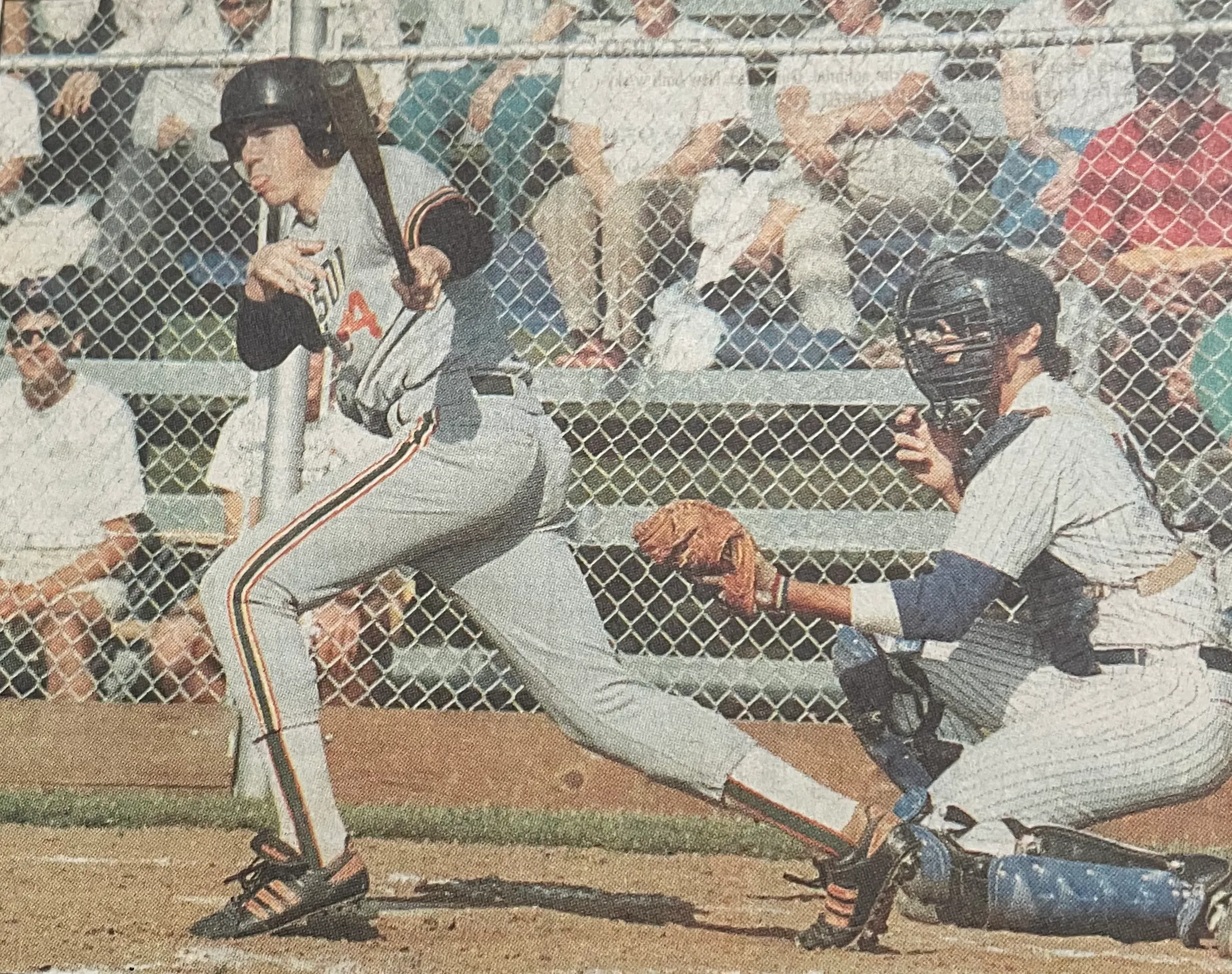
Tom Sandt (Wilson, 1989) had waited a long time for his father to see him play a high school baseball game.
Dad's own baseball life had made it next to impossible for him to take in a game while Tom Jr. was starring for the Trojans or earlier in Little League and Babe Ruth. While his son was coming up through the ranks, Tommy Sandt was playing his way through the minor leagues and on to a short stint in the show before continuing his career as a major league coach and minor league manager. That journey took him away from Portland and his wife, Diane, and only child for months at a time.
But the Sandt family was together again on a memorable spring day in 1989, which began with young Tom graduating from Wilson and continued with him pitching in the state championship baseball game that afternoon.
A few days earlier in Pittsburgh, where the senior Sandt was working as an assistant coach for the Pirates, his boss, Pirates manager Jim Leyland, had insisted he take time off to attend his son’s graduation ceremony. And now there he was, watching from the seats as Tom and his senior teammates accepted their diplomas then rushed off the stage, discarded the robes over their uniforms and headed straight to Civic Stadium for the state title game.
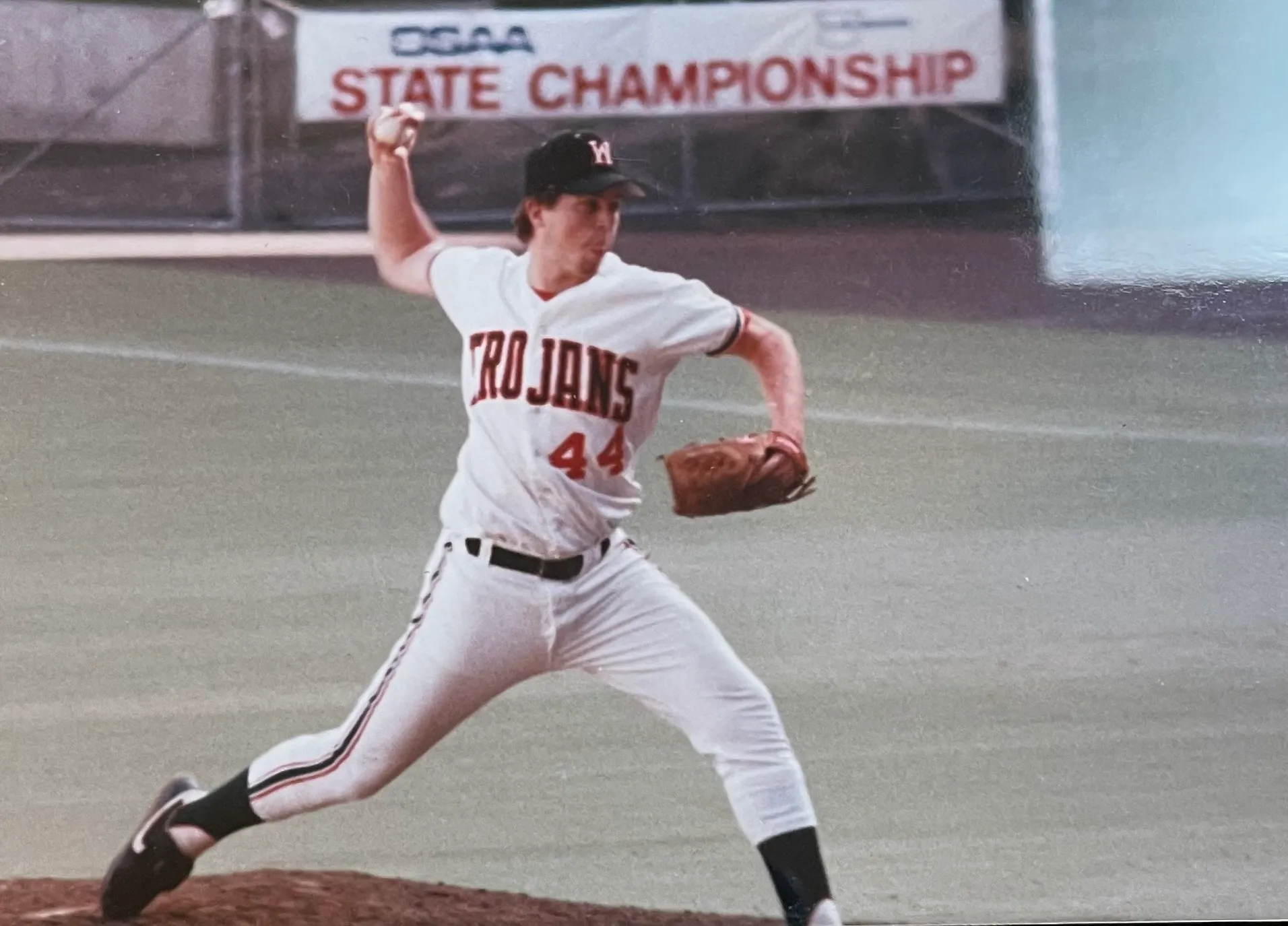
The Trojans lost to Sprague, 3-2, on a controversial balk call that to this day Sandt still hears from friends about. "I still get notes saying, 'It wasn't a balk.'" he says with a laugh.
But that "L" is the only blemish on a life experience that ranks in the Top 10 of Sandt's All-Time Best Memories playlist.
"Dad got to see me graduate and then see us play in the state championship. It would have been more of a fairy tale had we won, but it was still pretty cool," he says.
For Sandt, the pain of losing a state baseball title may have been at least slightly salved by the fact that he had played on the state-champion Wilson basketball just a few months earlier. All in all, not a bad year.
"Other than getting married and having kids, there hasn’t been much better than that," he says.
A Unique Childhood
Born in Southern California, Sandt and his parents headed north to the Bay Area in 1976, the year his father made the roster of the Oakland A's and played 41 of his 42 major league games. A few years later, when Sandt was in fourth grade the family moved to Portland, where he attended Stevenson Grade School, then Markham Middle School.
“Sports were always part of my life,” Sandt says. “When my dad was in town, I was at the park every day with him."
Most years by mid-February Dad would head off to that year’s baseball destination, leaving his son under the watchful eye of his mom, a teacher in the Tigard School District.
“Mom always insisted on me having a home base, so she was committed to staying in Portland until I finished my school year,” Sandt says. “Then I’d spend my summers in New York or Pittsburgh or wherever Dad was.”
While that meant Sandt didn’t get to spend many summers hanging out with friends, there were some tradeoffs that helped make missing those experiences more tolerable.
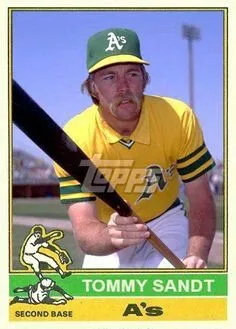
"When Dad was in the minor leagues and then with the A's, I got to spend a lot of time around ballparks,” he remembers. “I got to be around the players, ask them questions, shag fly balls and learn from them."
It was an "unusual" childhood, Sandt admits, and it wasn’t easy being away from his dad for extended periods. But he credits his parents with keeping him "pretty grounded" and providing the support and stability that allowed him to enjoy the unique opportunities his father's career provided.
Naturally Drawn to....Basketball
Sandt may have had baseball in his blood, but he says his heart actually beat louder for basketball.
"I always enjoyed playing basketball more than baseball, even though I was probably better at baseball," he says. "I loved the nonstop action, the contact and the constant competition. There's no downtime in basketball like there is in baseball. I always liked running into people a little bit, too."
While Sandt earned two basketball letters at Wilson, his four in baseball, along with three 1stTeam All-PIL pitching awards and one All-State honor support his contention that it was his better sport.
Not that you’ll get him to cite any of his accomplishments without a little twisting of the arm that helped him earn them. Sandt deflects individual praise like he’s allergic to it, invariably crediting his accomplishments to the teammates he played with.
"I will say it until I'm blue in the face: Most of my accomplishments are reflections of the guys I played with,” he says. “We were really good, and I was grateful to be surrounded by really talented players like Jeff Baltus and Mitch Elrod and Brian Lee and Toby Harris. My junior year I think we had nine players who went on to play Division I baseball."
While his individual accolades came in baseball, Sandt says he was happy to play a more complementary role on Wilson basketball teams that were similarly loaded with skilled players.
"I set a lot of screens and passed the ball a lot so the Charles McKinneys and Patrick Stricklands and (future NBA star and PIL Hall of Famer) Damon Stoudamires could do their things," he says.
Sandt adds that he also had the good fortune of playing for several hall of fame coaches. His freshman basketball coach, Jack Bertell, had previously won two state titles at Jefferson. Before coaching the 1989 Wilson state title team that Sandt was part of, Dick Beachell had led the Trojans to a state championship in 1985 and would win another in 1991. And Sandt’s baseball coach, Mike Clopton, would win two state titles at Wilson before retiring as the fourth-winningest high school baseball coach in Oregon history.
“I was extremely fortunate to be able to learn and grow from them, and not just in sports but in teamwork and discipline and other aspects life,” Sandt says.
From the Northwest to Northwestern
Shortly after that heartbreaking loss in the state title game, Sandt entered the next stage of his baseball journey when he chose Northwestern University from a group of several schools offering scholarships. There he earned four letters, not only pitching but also playing first base or DH.
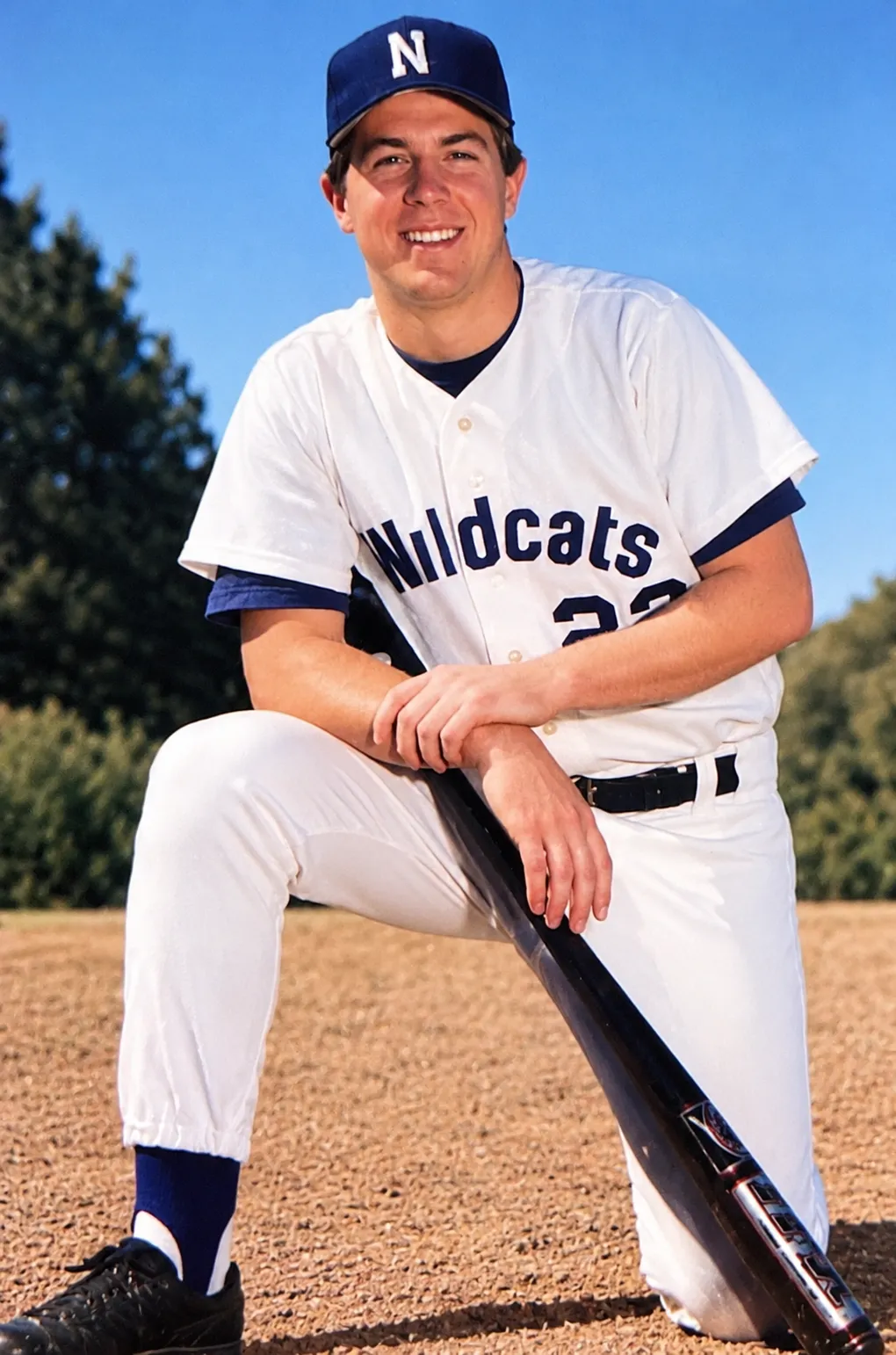
“College coaches don't usually like their pitchers to also play in the field, so it was cool I got to do that,” he says.
After college, Sandt signed with the San Diego Padres and spent a year pitching in their minor league system. His playing career came to an end when he tore a biceps tendon, but even before the injury he was realistic about his professional prospects.
“I wasn't left-handed and didn't throw particularly hard. Not many teams are looking fort hat kind of pitcher,” he cracks. “But it was a great experience playing with professionals and waking up every day knowing all I had to do was play baseball.”
But his biggest college achievement was meeting his future wife, Kara, who played volleyball at Northwestern.
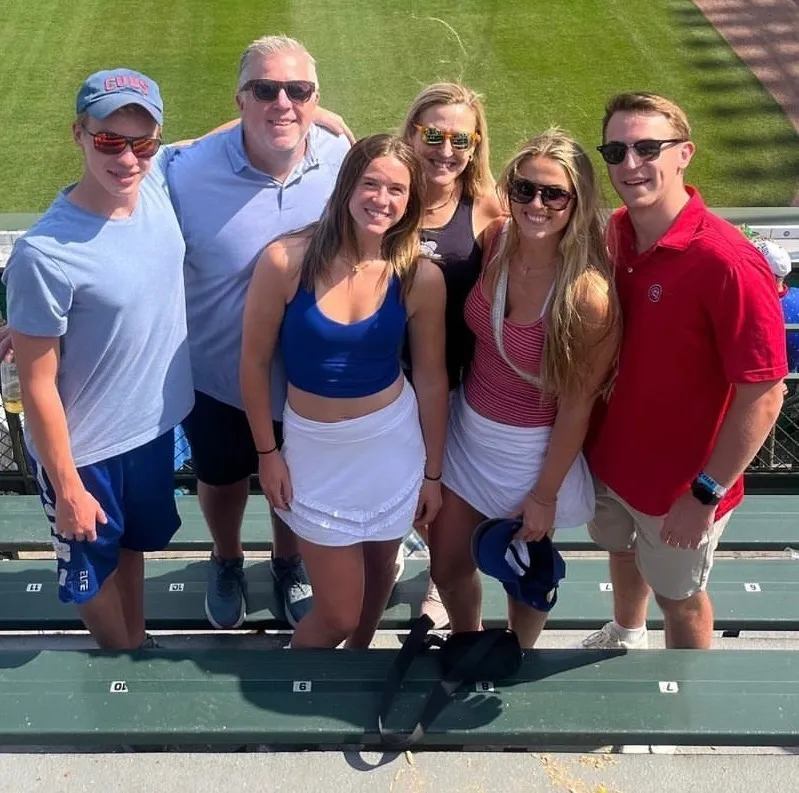
After marrying and settling in Chicago, Tom and Kara raised 4 children. He has worked in financial services for the last 30 years.
Sandt’s father enjoyed a lengthy career in professional baseball. In addition to his playing time in the minors and with Oakland, he spent several years as a minor league manager and major league coach. He was the first-base coach for the Florida Marlins when they won the 1997 World Series.
When his dad passed away in 2020, Sandt says the response from former players and colleagues was a reminder of how many lives he had positively influenced over his career, many of whom young Tom had met as a kid, including Bobby Bonilla, Andy Van Slyke and an up-and-comer named Barry Bonds.
"When Dad died, Barry took the time to track down my mom's phone number, then called her and spent nearly an hour talking with her about the impact Dad had on him and others," Sandt says. "That was really thoughtful and meaningful."
Sandt says he hadn't expected to be inducted into the PIL Hall of Fame (in 2011), but was "very honored" to be recognized. Attending the induction ceremony gave him an opportunity to revisit another particularly meaningful time in his life -- those glory days as a Wilson Trojan.
"It's almost impossible to replicate the camaraderie and special bonding you experience in sports," he says. "When I went back for the induction, it gave me the change to reconnect with some of my old teammates and reflect on the things we achieved together. I wouldn't have achieved any of my success without them. So as far as I'm concerned they were being honored right along with me."
Member Spotlight
Tom Sandt (Wilson, 1989) had waited a long time for his father to see him play a high school baseball game.
Dad's own baseball life had made it next to impossible for him to take in a game while Tom Jr. was starring for the Trojans or earlier in Little League and Babe Ruth. While his son was coming up through the ranks, Tommy Sandt was playing his way through the minor leagues and on to a short stint in the show before continuing his career as a major league coach and minor league manager. That journey took him away from Portland and his wife, Diane, and only child for months at a time.
But the Sandt family was together again on a memorable spring day in 1989, which began with young Tom graduating from Wilson and continued with him pitching in the state championship baseball game that afternoon.
A few days earlier in Pittsburgh, where the senior Sandt was working as an assistant coach for the Pirates, his boss, Pirates manager Jim Leyland, had insisted he take time off to attend his son’s graduation ceremony. And now there he was, watching from the seats as Tom and his senior teammates accepted their diplomas then rushed off the stage, discarded the robes over their uniforms and headed straight to Civic Stadium for the state title game.
The Trojans lost to Sprague, 3-2, on a controversial balk call that to this day Sandt still hears from friends about. "I still get notes saying, 'It wasn't a balk.'" he says with a laugh.
But that "L" is the only blemish on a life experience that ranks in the Top 10 of Sandt's All-Time Best Memories playlist.
"Dad got to see me graduate and then see us play in the state championship. It would have been more of a fairy tale had we won, but it was still pretty cool," he says.
For Sandt, the pain of losing a state baseball title may have been at least slightly salved by the fact that he had played on the state-champion Wilson basketball just a few months earlier. All in all, not a bad year.
"Other than getting married and having kids, there hasn’t been much better than that," he says.
A Unique Childhood
Born in Southern California, Sandt and his parents headed north to the Bay Area in 1976, the year his father made the roster of the Oakland A's and played 41 of his 42 major league games. A few years later, when Sandt was in fourth grade the family moved to Portland, where he attended Stevenson Grade School, then Markham Middle School.
“Sports were always part of my life,” Sandt says. “When my dad was in town, I was at the park every day with him."
Most years by mid-February Dad would head off to that year’s baseball destination, leaving his son under the watchful eye of his mom, a teacher in the Tigard School District.
“Mom always insisted on me having a home base, so she was committed to staying in Portland until I finished my school year,” Sandt says. “Then I’d spend my summers in New York or Pittsburgh or wherever Dad was.”
While that meant Sandt didn’t get to spend many summers hanging out with friends, there were some tradeoffs that helped make missing those experiences more tolerable.
"When Dad was in the minor leagues and then with the A's, I got to spend a lot of time around ballparks,” he remembers. “I got to be around the players, ask them questions, shag fly balls and learn from them."
It was an "unusual" childhood, Sandt admits, and it wasn’t easy being away from his dad for extended periods. But he credits his parents with keeping him "pretty grounded" and providing the support and stability that allowed him to enjoy the unique opportunities his father's career provided.
Naturally Drawn to....Basketball
Sandt may have had baseball in his blood, but he says his heart actually beat louder for basketball.
"I always enjoyed playing basketball more than baseball, even though I was probably better at baseball," he says. "I loved the nonstop action, the contact and the constant competition. There's no downtime in basketball like there is in baseball. I always liked running into people a little bit, too."
While Sandt earned two basketball letters at Wilson, his four in baseball, along with three 1stTeam All-PIL pitching awards and one All-State honor support his contention that it was his better sport.
Not that you’ll get him to cite any of his accomplishments without a little twisting of the arm that helped him earn them. Sandt deflects individual praise like he’s allergic to it, invariably crediting his accomplishments to the teammates he played with.
"I will say it until I'm blue in the face: Most of my accomplishments are reflections of the guys I played with,” he says. “We were really good, and I was grateful to be surrounded by really talented players like Jeff Baltus and Mitch Elrod and Brian Lee and Toby Harris. My junior year I think we had nine players who went on to play Division I baseball."
While his individual accolades came in baseball, Sandt says he was happy to play a more complementary role on Wilson basketball teams that were similarly loaded with skilled players.
"I set a lot of screens and passed the ball a lot so the Charles McKinneys and Patrick Stricklands and (future NBA star and PIL Hall of Famer) Damon Stoudamires could do their things," he says.
Sandt adds that he also had the good fortune of playing for several hall of fame coaches. His freshman basketball coach, Jack Bertell, had previously won two state titles at Jefferson. Before coaching the 1989 Wilson state title team that Sandt was part of, Dick Beachell had led the Trojans to a state championship in 1985 and would win another in 1991. And Sandt’s baseball coach, Mike Clopton, would win two state titles at Wilson before retiring as the fourth-winningest high school baseball coach in Oregon history.
“I was extremely fortunate to be able to learn and grow from them, and not just in sports but in teamwork and discipline and other aspects life,” Sandt says.
From the Northwest to Northwestern
Shortly after that heartbreaking loss in the state title game, Sandt entered the next stage of his baseball journey when he chose Northwestern University from a group of several schools offering scholarships. There he earned four letters, not only pitching but also playing first base or DH.
“College coaches don't usually like their pitchers to also play in the field, so it was cool I got to do that,” he says.
After college, Sandt signed with the San Diego Padres and spent a year pitching in their minor league system. His playing career came to an end when he tore a biceps tendon, but even before the injury he was realistic about his professional prospects.
“I wasn't left-handed and didn't throw particularly hard. Not many teams are looking fort hat kind of pitcher,” he cracks. “But it was a great experience playing with professionals and waking up every day knowing all I had to do was play baseball.”
But his biggest college achievement was meeting his future wife, Kara, who played volleyball at Northwestern.
After marrying and settling in Chicago, Tom and Kara raised 4 children. He has worked in financial services for the last 30 years.
Sandt’s father enjoyed a lengthy career in professional baseball. In addition to his playing time in the minors and with Oakland, he spent several years as a minor league manager and major league coach. He was the first-base coach for the Florida Marlins when they won the 1997 World Series.
When his dad passed away in 2020, Sandt says the response from former players and colleagues was a reminder of how many lives he had positively influenced over his career, many of whom young Tom had met as a kid, including Bobby Bonilla, Andy Van Slyke and an up-and-comer named Barry Bonds.
"When Dad died, Barry took the time to track down my mom's phone number, then called her and spent nearly an hour talking with her about the impact Dad had on him and others," Sandt says. "That was really thoughtful and meaningful."
Sandt says he hadn't expected to be inducted into the PIL Hall of Fame (in 2011), but was "very honored" to be recognized. Attending the induction ceremony gave him an opportunity to revisit another particularly meaningful time in his life -- those glory days as a Wilson Trojan.
"It's almost impossible to replicate the camaraderie and special bonding you experience in sports," he says. "When I went back for the induction, it gave me the change to reconnect with some of my old teammates and reflect on the things we achieved together. I wouldn't have achieved any of my success without them. So as far as I'm concerned they were being honored right along with me."
More On This Hall of Famer
Read about their career and accomplishments on their HoF profile page.
Other Featured Members
We have a catalog of dozens of featured members of the month.