
Rick Raivio
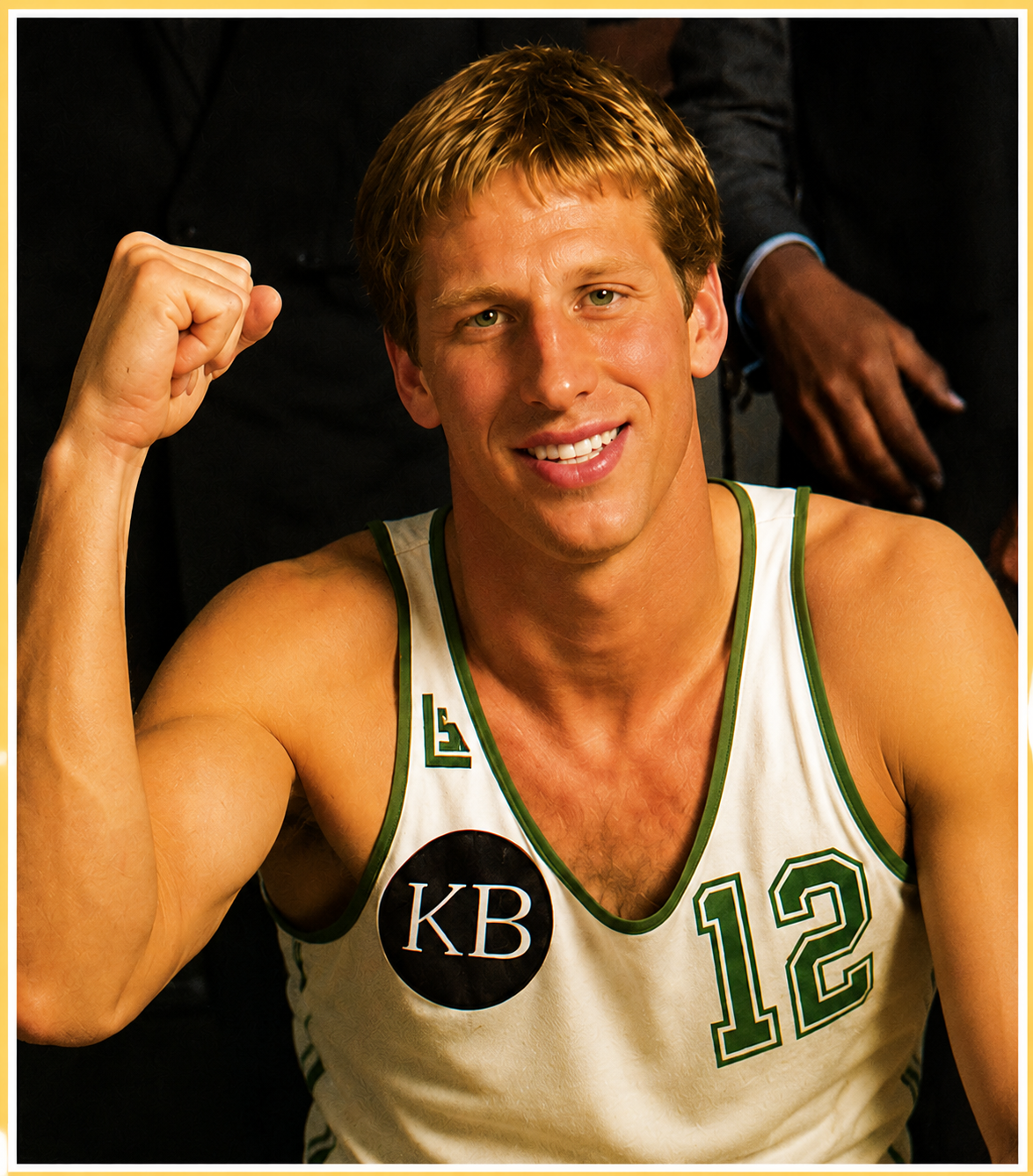
It doesn’t take much more than a cursory glance at the University of Portland’s all-time basketball records to figure out the impact Rick Raivio (Benson, 1975) had on the school on the bluff during his four years there. His name sits at or near the top of several statistical categories:
- 1st in field goal percentage.
- 2nd in free throws made.
- 2nd in rebounds.
- 4th in total points.
- 4th in career field goals.
- 4th in scoring average.
Raivio tied up those stats with a blue-ribbon senior year in which he averaged 19 points and 10 rebounds a game on his way to earning 1979 NCAA All-American Honorable Mention honors alongside future NBAers Mark Acquirre, Rolando Blackman and Jim Paxson.
Take another look, this time at Raivio’s Benson High career, and most objective observers would surmise his college success shouldn’t have been much of a shocker. After all, he was a key member of powerhouse teams that won three PIL titles and, in Raivio’s sophomore and junior years, two state championships.
Step right up, major college recruiters, and form an orderly line, right?
Yeah, no. Surprisingly, that’s not what happened.
But before we get too far ahead in the story, let’s jump back and explore the makings of a basketball star. We start in the small agricultural community of Sunnyside, Wash., home to Raivio, his two sisters, Kristi and Scotti, and their parents, Richard and Bonnie, for the first “eight or nine years” of his life.
“It was one of those towns where everybody knew everybody,” he remembers. “And it was a football and baseball town. I never touched a basketball as a kid; I played baseball. I was big for my age, and I would play with older kids. One day one of them asked if I could catch, and when I said yes, he hands me some catcher’s gear. I asked him what it was and he says, ‘I thought you said you could catch.’ I told him, ‘I thought you were asking if I could catch a baseball.’ Then he asks if I wanted to use this catcher’s mitt and I told him, no, I’d just use my glove. Big mistake.”
Becoming a Basketball Junkie
Mistake or not, Raivio was still playing baseball when his dad, who worked for Carnation, got transferred to Portland and the family settled into their new home near Grant High School. Raivio soon added football to his sports activities, but still no basketball until a coach saw the tall-ish fourth grader and invited him to play. It was a game changer.
“Man, I just loved it,” says Raivio. He took to the sport so quickly that he was soon elevated to a fifth-grade team coached by June Jones, Sr., whose son, Peter, would become Raivio’s good friend. (June Jones, Jr., of course, would star at Grant, Portland State and in the NFL and be inducted into the PIL Hall of Fame in 1991).
“The Jones family had a basketball court at their house, and I played for hours and hours there,” Raivio says. “They’d have to turn the outside lights off to let me know it was time to go home.”
By fifth grade, Raivio had become “a basketball junkie.” He’d hone his skills playing 3-on-3 against older players at Grant Park and when he was done there, “I’d hop on my bike and just ride from park to park,” he says. “I remember playing all the way out in Peninsula Park until 10 at night, then riding up Union Avenue (now Martin Luther King Blvd.), turning on Fremont and heading back up to our house. I just played whenever and wherever I could.”
By the time he was ready for high school, Raivio was good enough to have options. Grant was a great school with a great basketball program, but so was Benson. In fact in 1971, the winter before Raivio’s freshman year, the two schools had faced off in the state championship game with Dick Gray’s Techmen prevailing over Ed Rooney’s Generals.
Raivio chose Benson. “It was one of the best decisions I ever made,” he says. “I was a good student, but also a bit of a clown. I might have got into some trouble with all my buddies if I’d gone to Grant. Academically, Benson was just an incredible school. I can’t say enough about it.”
As a 5-8 freshman, Raivio started for the Benson JV team. A year later, he’d shot up to 6-4 and the varsity. He was a key member of some loaded Techmen teams that won those PIL and state titles and throughout his career included Richard Washington, Gary Frank, Mark Hoisington, Rodney Johnson, Ricky Lee, George Mayes and Mac McCall.
As a senior, Raivio led the team in scoring and helped the Techmen go 21-0 en route to the state quarterfinals before losing to another undefeated team, Sunset.
Slim Pickings for College
But despite his team’s and Raivio’s own success, which included All-State recognition his final year, the silence from college recruiters was deafening.
“I didn’t hear from many colleges,” Raivio says. “In fact, I got recruited more to play football than basketball.”
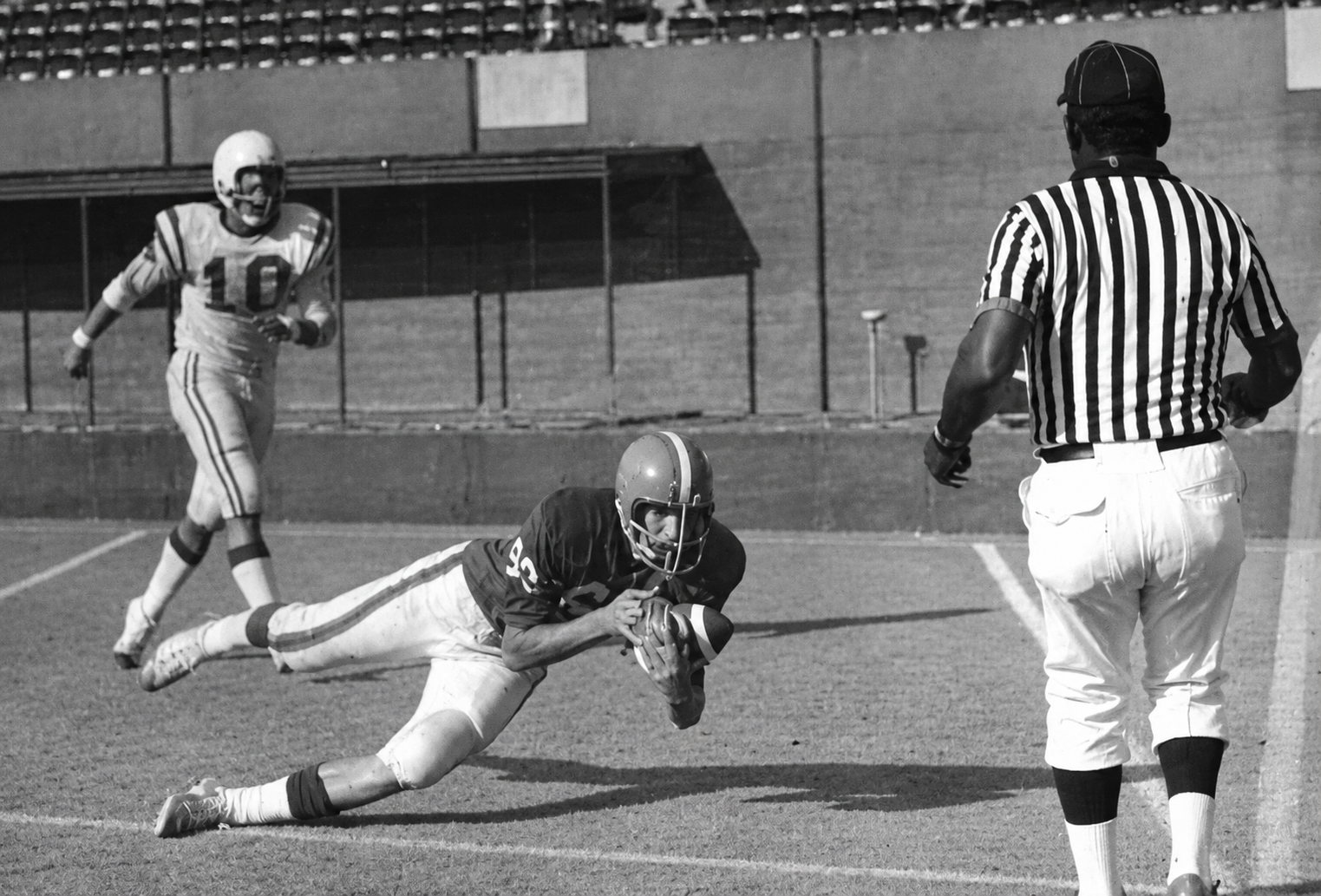
Playing end for a run-first (and second and usually third) Benson football team, Raivio was still able to catch enough passes to grab the attention of the University of Oregon and a couple other schools. But when it came to basketball, his sport of choice, the only schools that called with scholarship offers were Montana and Portland, with the latter not extending theirs until right after Raivio’s last high school game.
“Back then it wasn’t like it is now, where colleges know everything about you,” he says.
Even with the offer from Portland, Raivio couldn’t get excited about the old-school, plodding offense Coach Jack Avina had been running on the bluff. So, he turned down the full ride and decided to pay and play at Willamette University -- where he never donned a uniform.
“I ended up not even practicing with the team,” he says.“I played volleyball and lifted weights and then played AAU ball.”
Raivio was soon regretting his decision. During the semester Raivio was at Willamette, Portland had joined the West Coast Conference and Avina had ditched his old coaching style, turning the Pilots into a running team more suited to Raivio’s liking.
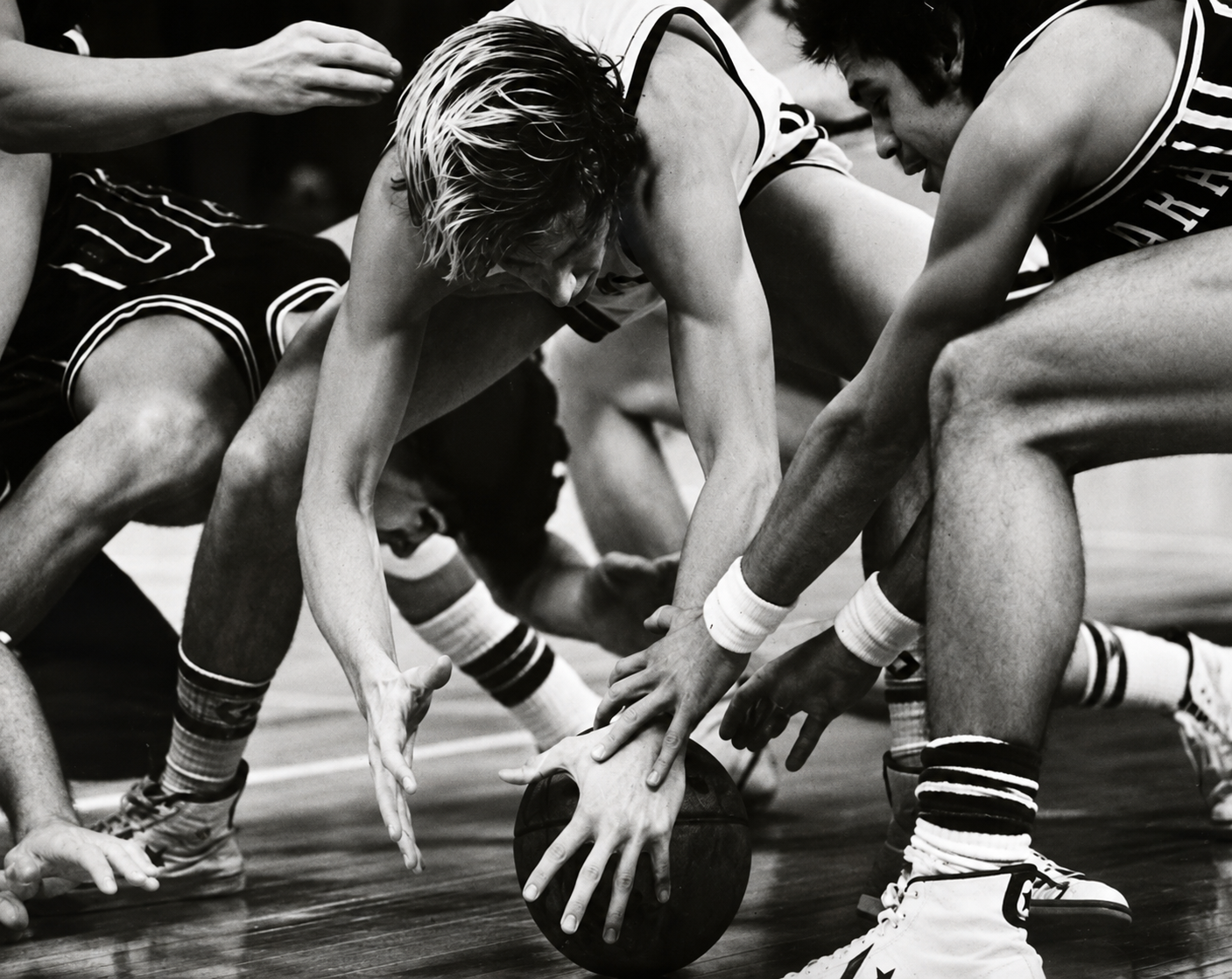
So, after learning that Avina was still willing (albeit somewhat grudgingly) to honor his scholarship and sitting out the required year and a half before he could play, Raivio finally suited up for the Pilots. With him and his “brother from another mother,” Darwin Cook, leading the charge, the Pilots in Raivio's time there went from league doormat to jus missing out on the league title in his senior year.
Along the way, he refined his skills playing against the likes of future pros like Bill Cartwright, Dennis Johnson, Clint Richardson and Kurt Rambis and made three All-WAC teams. In addition to his All-American Honorable Mention honor, he was an All-American Scholastic All-American and was selected to play for the U.S. team in the World University Games.
Drafted Twice, But Stars in Europe
In 1978, at the end of his junior year, Raivio was drafted by the Philadelphia 76ers but elected to return to school. A year later, the Los Angeles Lakers selected him, but while preparing for their summer camp, Raivio broke an ankle four days before he was due to report.
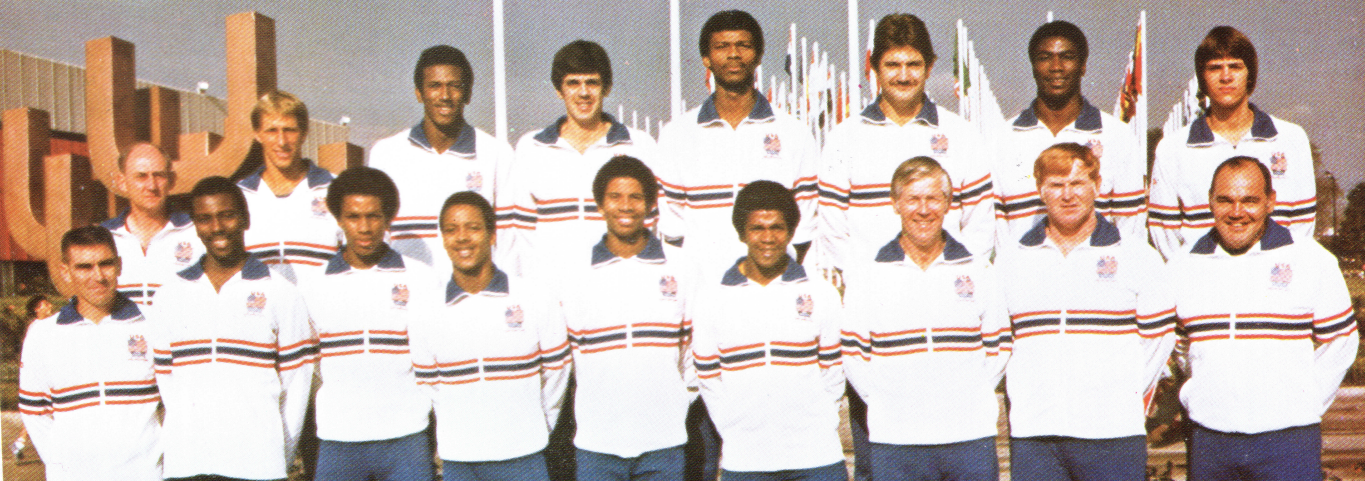
He got another chance in the summer of 1981 when he was invited to the Lakers' rookie camp and played in the Los Angeles Summer League. But he got beat out for a roster spot by the team’s first-round pick, who played the same position.
However, Raivio’s play that summer caught the eye of a scout from a pro team in Switzerland, and that launched his long, successful career playing professionally in Europe. After starting in Switzerland, Raivio starred for teams in Vienna, Austria (where he married his wife, Christine, whom he had met at the UP), Belgium and France before retiring and returning to the U.S. in 1992.
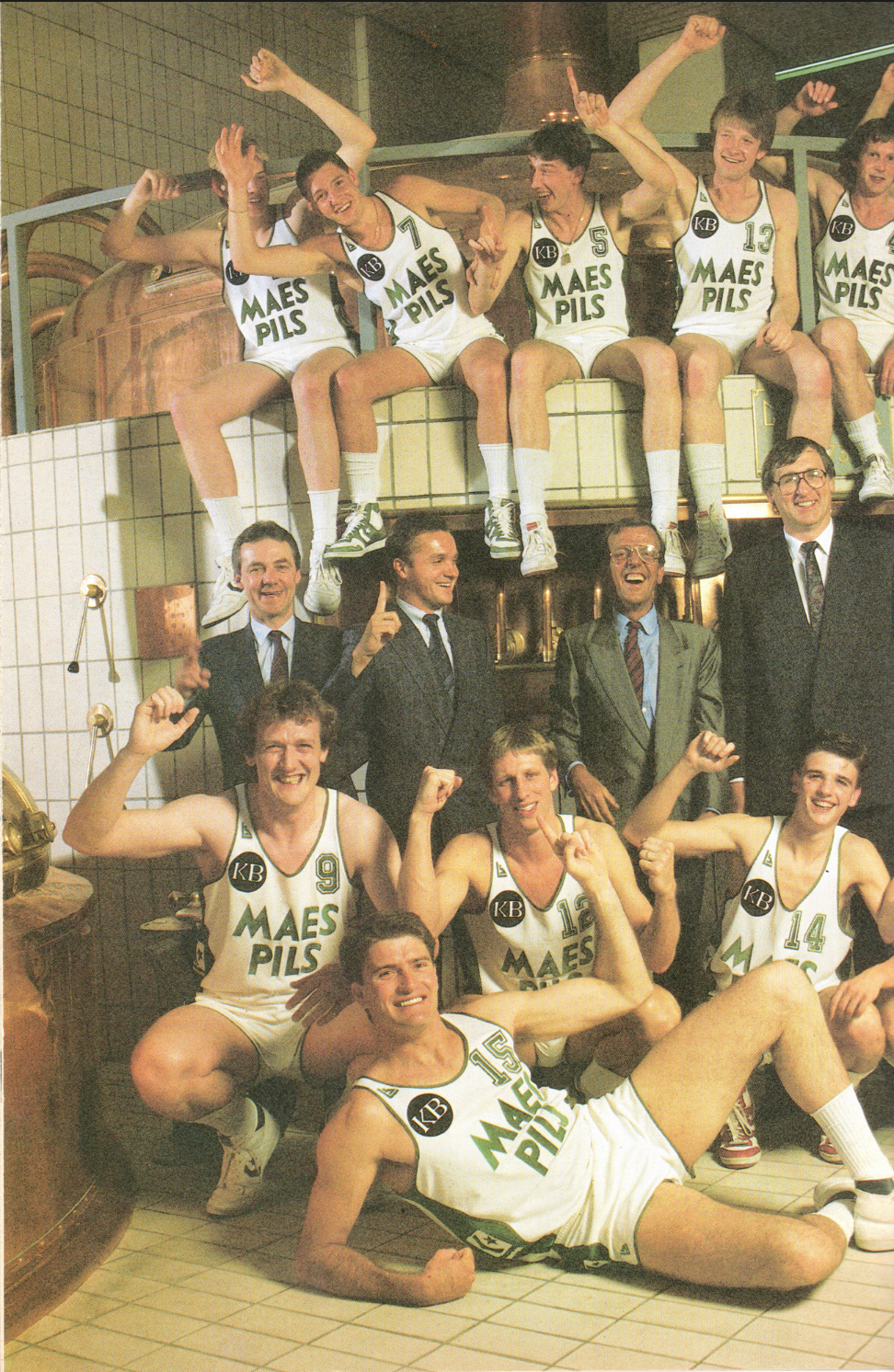
During his career, Raivio estimates he averaged around 30 points and 10 rebounds a game, and over the years he received several invitations to attend the summer camps of several NBA teams.
“By the time they started calling, we already had two kids, and in those days I could make more money playing in Europe,” he says. “But even if I never got paid a dime, the experience alone was worth it.”
Those two kids, Derek and Nik, were born in Belgium. Derek played at Gonzaga and in Europe. Nik, who followed his dad and played at Portland, is still playing overseas. The Raivios’ third son, Matt, was born in Monaco and daughter, Emma, was born in the U.S.
Since returning to the states at age 35, Raivio has been self-employed in real estate and related ventures. He plays a lot of tennis and is still mixing it up on the Multnomah Athletic Club basketball courts.
These days, a few decades after those glory days, Raivio is short on some of the finer details of his many sports achievements. His father gave him boxes full of old press clippings, but he has only recently started going through them.
So, for example, when asked to verify some of his high school and college honors, he muses humorously, “In high school, I think I was All-State as a senior, but I don’t know about the rest. And in college I was on someone’s list, but I don’t know if it was honorable mention or 15th team. Who knows?”
Well, the record books know, and in Rick Raivio’s case they speak volumes.
Member Spotlight
It doesn’t take much more than a cursory glance at the University of Portland’s all-time basketball records to figure out the impact Rick Raivio (Benson, 1975) had on the school on the bluff during his four years there. His name sits at or near the top of several statistical categories:
- 1st in field goal percentage.
- 2nd in free throws made.
- 2nd in rebounds.
- 4th in total points.
- 4th in career field goals.
- 4th in scoring average.
Raivio tied up those stats with a blue-ribbon senior year in which he averaged 19 points and 10 rebounds a game on his way to earning 1979 NCAA All-American Honorable Mention honors alongside future NBAers Mark Acquirre, Rolando Blackman and Jim Paxson.
Take another look, this time at Raivio’s Benson High career, and most objective observers would surmise his college success shouldn’t have been much of a shocker. After all, he was a key member of powerhouse teams that won three PIL titles and, in Raivio’s sophomore and junior years, two state championships.
Step right up, major college recruiters, and form an orderly line, right?
Yeah, no. Surprisingly, that’s not what happened.
But before we get too far ahead in the story, let’s jump back and explore the makings of a basketball star. We start in the small agricultural community of Sunnyside, Wash., home to Raivio, his two sisters, Kristi and Scotti, and their parents, Richard and Bonnie, for the first “eight or nine years” of his life.
“It was one of those towns where everybody knew everybody,” he remembers. “And it was a football and baseball town. I never touched a basketball as a kid; I played baseball. I was big for my age, and I would play with older kids. One day one of them asked if I could catch, and when I said yes, he hands me some catcher’s gear. I asked him what it was and he says, ‘I thought you said you could catch.’ I told him, ‘I thought you were asking if I could catch a baseball.’ Then he asks if I wanted to use this catcher’s mitt and I told him, no, I’d just use my glove. Big mistake.”
Becoming a Basketball Junkie
Mistake or not, Raivio was still playing baseball when his dad, who worked for Carnation, got transferred to Portland and the family settled into their new home near Grant High School. Raivio soon added football to his sports activities, but still no basketball until a coach saw the tall-ish fourth grader and invited him to play. It was a game changer.
“Man, I just loved it,” says Raivio. He took to the sport so quickly that he was soon elevated to a fifth-grade team coached by June Jones, Sr., whose son, Peter, would become Raivio’s good friend. (June Jones, Jr., of course, would star at Grant, Portland State and in the NFL and be inducted into the PIL Hall of Fame in 1991).
“The Jones family had a basketball court at their house, and I played for hours and hours there,” Raivio says. “They’d have to turn the outside lights off to let me know it was time to go home.”
By fifth grade, Raivio had become “a basketball junkie.” He’d hone his skills playing 3-on-3 against older players at Grant Park and when he was done there, “I’d hop on my bike and just ride from park to park,” he says. “I remember playing all the way out in Peninsula Park until 10 at night, then riding up Union Avenue (now Martin Luther King Blvd.), turning on Fremont and heading back up to our house. I just played whenever and wherever I could.”
By the time he was ready for high school, Raivio was good enough to have options. Grant was a great school with a great basketball program, but so was Benson. In fact in 1971, the winter before Raivio’s freshman year, the two schools had faced off in the state championship game with Dick Gray’s Techmen prevailing over Ed Rooney’s Generals.
Raivio chose Benson. “It was one of the best decisions I ever made,” he says. “I was a good student, but also a bit of a clown. I might have got into some trouble with all my buddies if I’d gone to Grant. Academically, Benson was just an incredible school. I can’t say enough about it.”
As a 5-8 freshman, Raivio started for the Benson JV team. A year later, he’d shot up to 6-4 and the varsity. He was a key member of some loaded Techmen teams that won those PIL and state titles and throughout his career included Richard Washington, Gary Frank, Mark Hoisington, Rodney Johnson, Ricky Lee, George Mayes and Mac McCall.
As a senior, Raivio led the team in scoring and helped the Techmen go 21-0 en route to the state quarterfinals before losing to another undefeated team, Sunset.
Slim Pickings for College
But despite his team’s and Raivio’s own success, which included All-State recognition his final year, the silence from college recruiters was deafening.
“I didn’t hear from many colleges,” Raivio says. “In fact, I got recruited more to play football than basketball.”
Playing end for a run-first (and second and usually third) Benson football team, Raivio was still able to catch enough passes to grab the attention of the University of Oregon and a couple other schools. But when it came to basketball, his sport of choice, the only schools that called with scholarship offers were Montana and Portland, with the latter not extending theirs until right after Raivio’s last high school game.
“Back then it wasn’t like it is now, where colleges know everything about you,” he says.
Even with the offer from Portland, Raivio couldn’t get excited about the old-school, plodding offense Coach Jack Avina had been running on the bluff. So, he turned down the full ride and decided to pay and play at Willamette University -- where he never donned a uniform.
“I ended up not even practicing with the team,” he says.“I played volleyball and lifted weights and then played AAU ball.”
Raivio was soon regretting his decision. During the semester Raivio was at Willamette, Portland had joined the West Coast Conference and Avina had ditched his old coaching style, turning the Pilots into a running team more suited to Raivio’s liking.
So, after learning that Avina was still willing (albeit somewhat grudgingly) to honor his scholarship and sitting out the required year and a half before he could play, Raivio finally suited up for the Pilots. With him and his “brother from another mother,” Darwin Cook, leading the charge, the Pilots in Raivio's time there went from league doormat to jus missing out on the league title in his senior year.
Along the way, he refined his skills playing against the likes of future pros like Bill Cartwright, Dennis Johnson, Clint Richardson and Kurt Rambis and made three All-WAC teams. In addition to his All-American Honorable Mention honor, he was an All-American Scholastic All-American and was selected to play for the U.S. team in the World University Games.
Drafted Twice, But Stars in Europe
In 1978, at the end of his junior year, Raivio was drafted by the Philadelphia 76ers but elected to return to school. A year later, the Los Angeles Lakers selected him, but while preparing for their summer camp, Raivio broke an ankle four days before he was due to report.
He got another chance in the summer of 1981 when he was invited to the Lakers' rookie camp and played in the Los Angeles Summer League. But he got beat out for a roster spot by the team’s first-round pick, who played the same position.
However, Raivio’s play that summer caught the eye of a scout from a pro team in Switzerland, and that launched his long, successful career playing professionally in Europe. After starting in Switzerland, Raivio starred for teams in Vienna, Austria (where he married his wife, Christine, whom he had met at the UP), Belgium and France before retiring and returning to the U.S. in 1992.
During his career, Raivio estimates he averaged around 30 points and 10 rebounds a game, and over the years he received several invitations to attend the summer camps of several NBA teams.
“By the time they started calling, we already had two kids, and in those days I could make more money playing in Europe,” he says. “But even if I never got paid a dime, the experience alone was worth it.”
Those two kids, Derek and Nik, were born in Belgium. Derek played at Gonzaga and in Europe. Nik, who followed his dad and played at Portland, is still playing overseas. The Raivios’ third son, Matt, was born in Monaco and daughter, Emma, was born in the U.S.
Since returning to the states at age 35, Raivio has been self-employed in real estate and related ventures. He plays a lot of tennis and is still mixing it up on the Multnomah Athletic Club basketball courts.
These days, a few decades after those glory days, Raivio is short on some of the finer details of his many sports achievements. His father gave him boxes full of old press clippings, but he has only recently started going through them.
So, for example, when asked to verify some of his high school and college honors, he muses humorously, “In high school, I think I was All-State as a senior, but I don’t know about the rest. And in college I was on someone’s list, but I don’t know if it was honorable mention or 15th team. Who knows?”
Well, the record books know, and in Rick Raivio’s case they speak volumes.
More On This Hall of Famer
Read about their career and accomplishments on their HoF profile page.
Other Featured Members
We have a catalog of dozens of featured members of the month.