
Jackie Strong
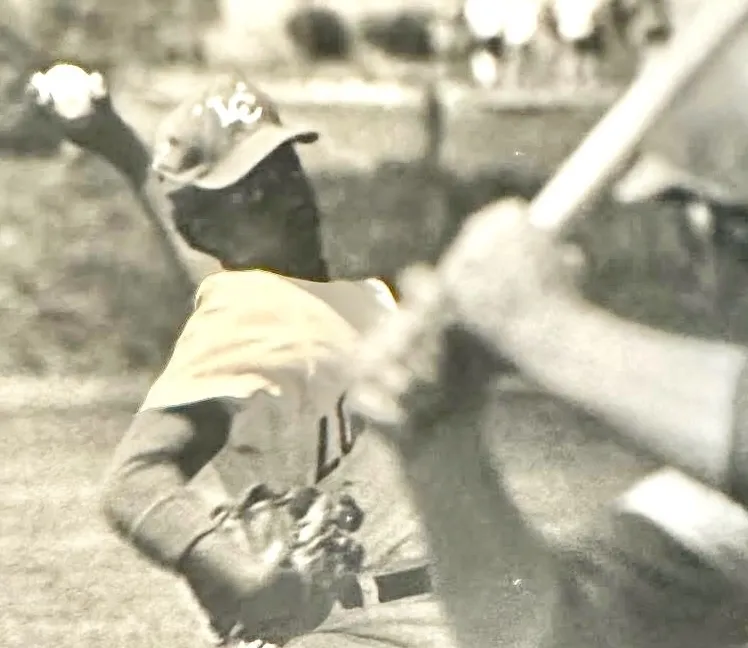
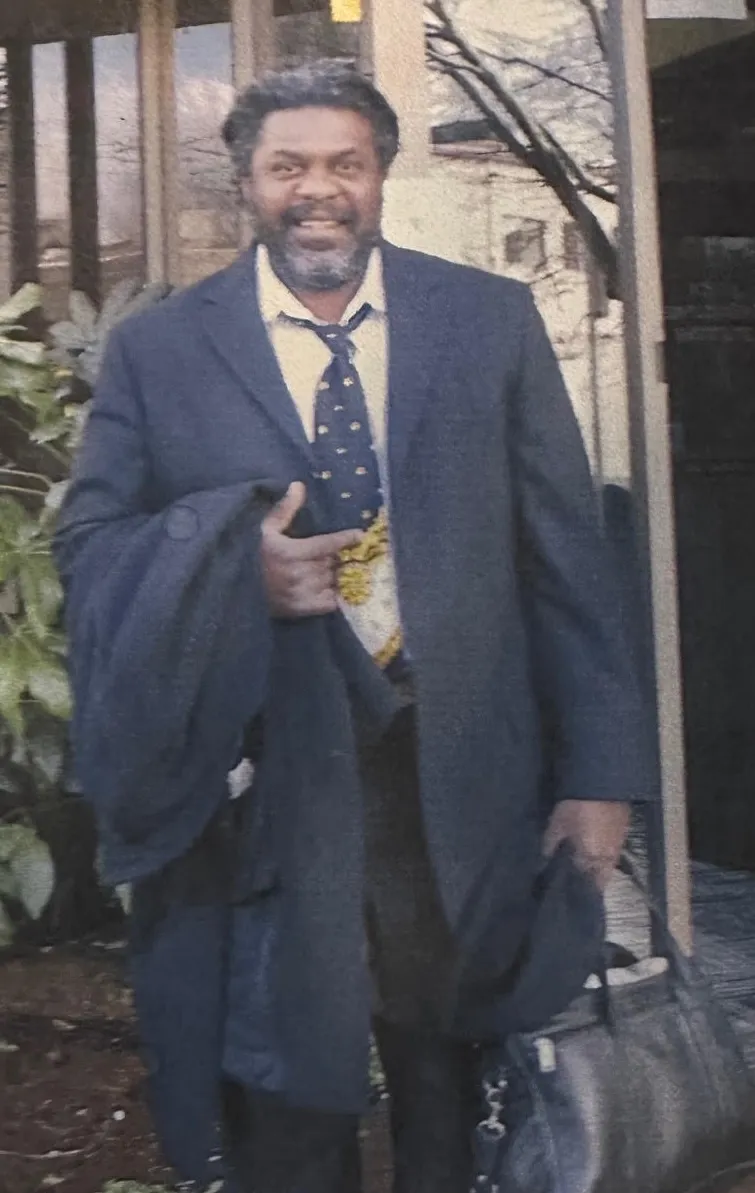
Jackie Strong’s early memories of sports go much deeper than when he would grab a stick, steal a head off his sister’s doll and use it to play backyard homerun derby with his pals. And they’re more meaningful than the punting contests he and buddies would have on the neighborhood streets or the high school games he’d watch his two older brothers play in.
His fond memories include all the above, to be sure. But beyond the warm nostalgia and sheer fun of sports, Strong’s best early recollections are attached to the positive impact athletics could have on African American kids like himself growing up in Northeast Portland in the 1950s and 60s.
“I could see early on how athletics were able to break down a lot of the barriers that were there when I was growing up,” says the 1969 Jefferson graduate and 2014 PIL Hall of Fame inductee.
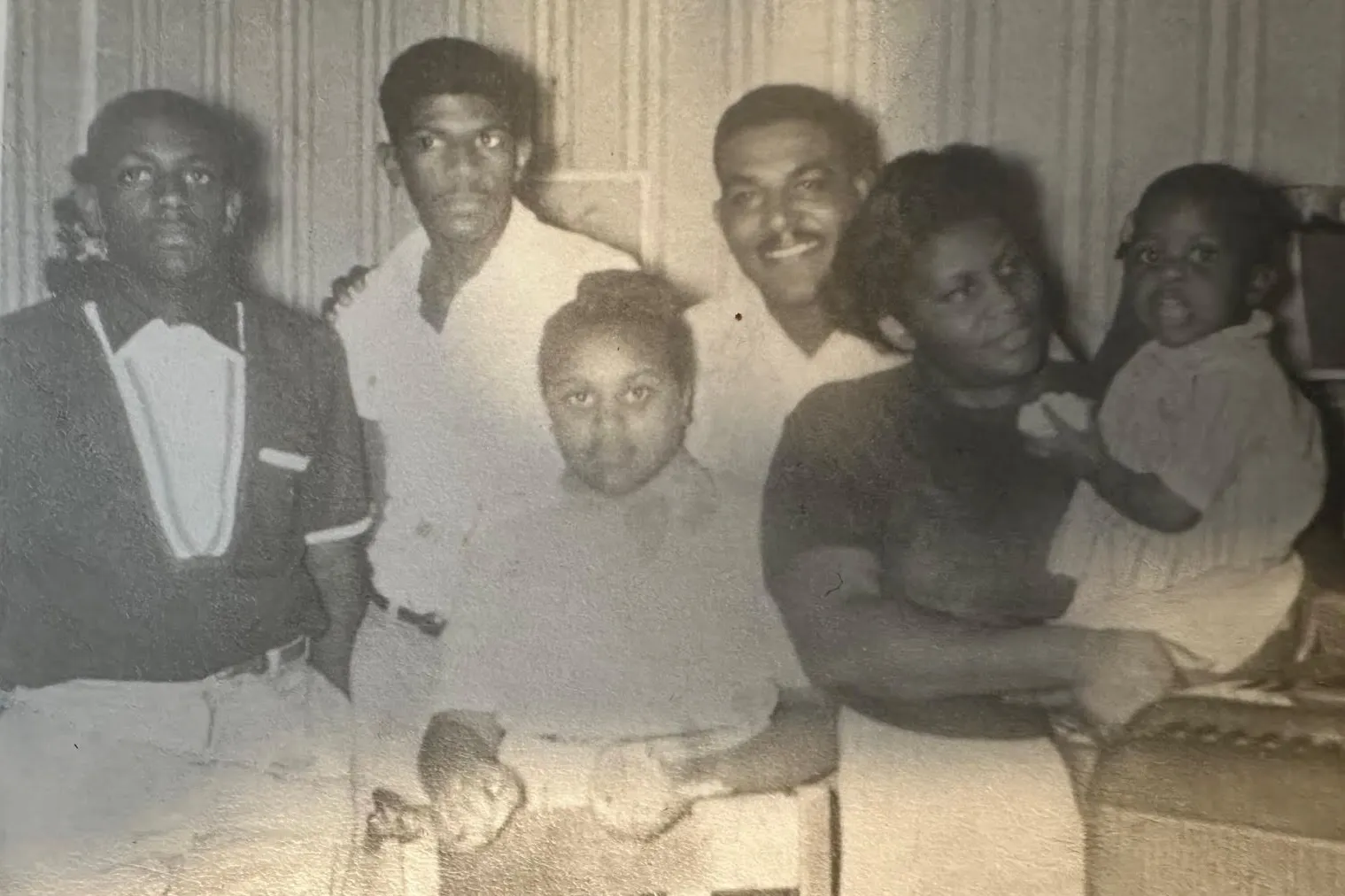
If excelling in sports helped Strong overcome obstacles, growing up in a supportive and progressive household helped give him the confidence to think he could clear them in the first place. His father, Luther, was a steelworker, his mother, Opal, a community activist, and the Strong home was a place where everyone was welcome.
"Mom was probably ahead of her time,” Strong says. “She championed a lot of community projects that are still viable in Portland today. We had people from all cultures in the house. So I had a lot of white friends, which wasn’t all that common in the 50s and 60s. But that helped me be comfortable in my own skin and embrace other cultures and have the confidence to know my worth was equal to everyone else’s. And I that really helped me in both sports and life.”
All-Season Athlete
Strong says he was always playing one sport or another, and, luckily for his sister, Gail, only the one involved decapitating dolls.
“I just played sports according to the season,” he says. “I can remember having a hoop nailed up on a wall on a side street and being out there shooting baskets in the winter with gloves on or being in the park playing football in the mud and rain. Or you’d grab a friend and you’d each stand at one end of the block and see who could throw a baseball or punt a football the farthest. That all instilled in me a competitive mindset and helped me develop skills that allowed me to play all three sports at a pretty good level.”
While Strong’s two brothers, Luther and Julius, were successful athletes in their own right (Julius, a 1955 Roosevelt grad, is also in the PIL Hall of Famer), the significant age gap between him and them “made me feel like I was an only child,” he says. Without their influence, Jackie still benefited from the guidance of a series of outstanding youth coaches.
“By the time I got through grade school, I’d had coaches both black and white who showed an interest in my well-being and helped me understand that athletics might be a way to expand the number of people I could meet and expose me to people and opportunities that a young black kid might not traditionally be exposed to back then,” Strong says.
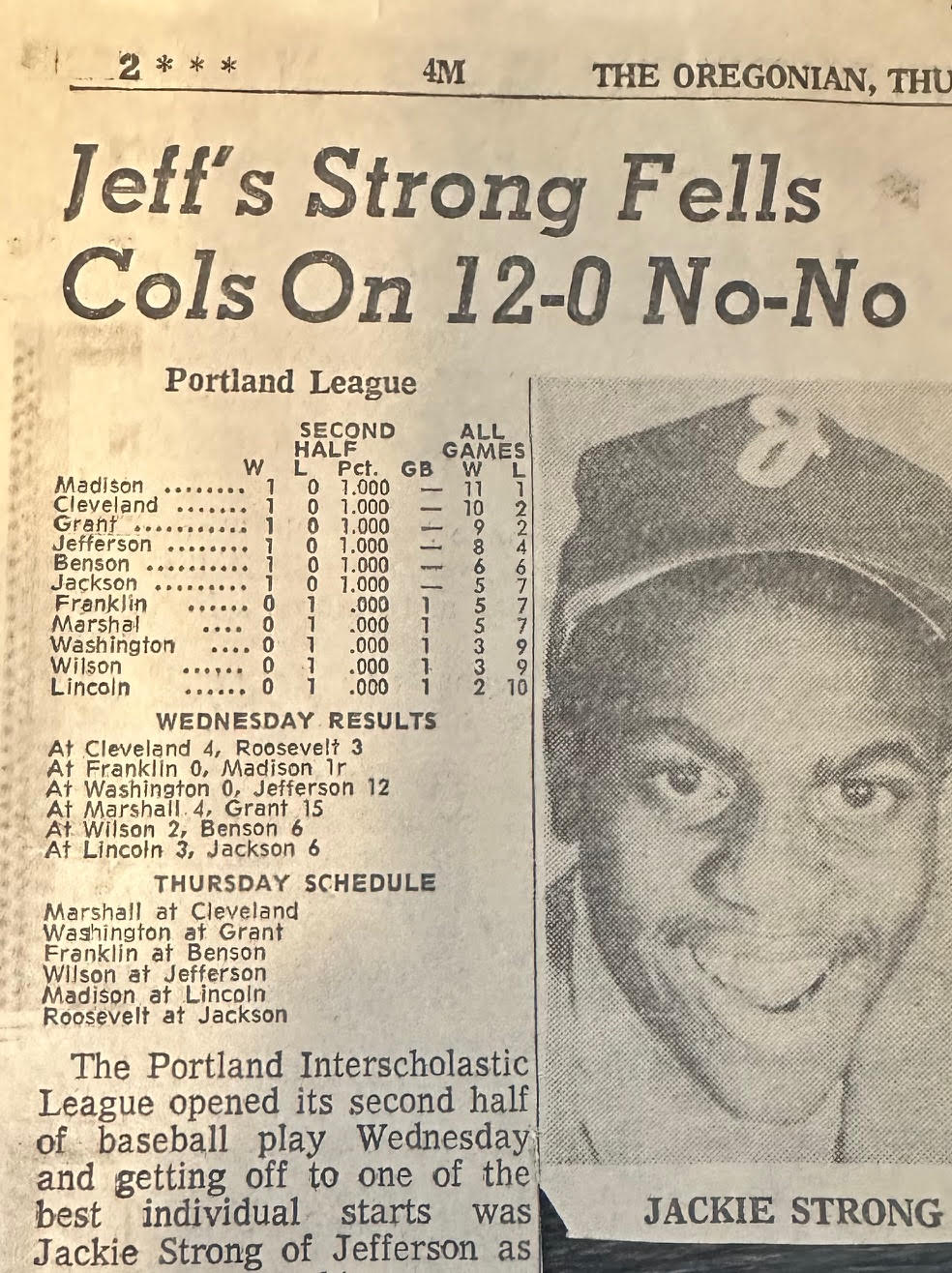
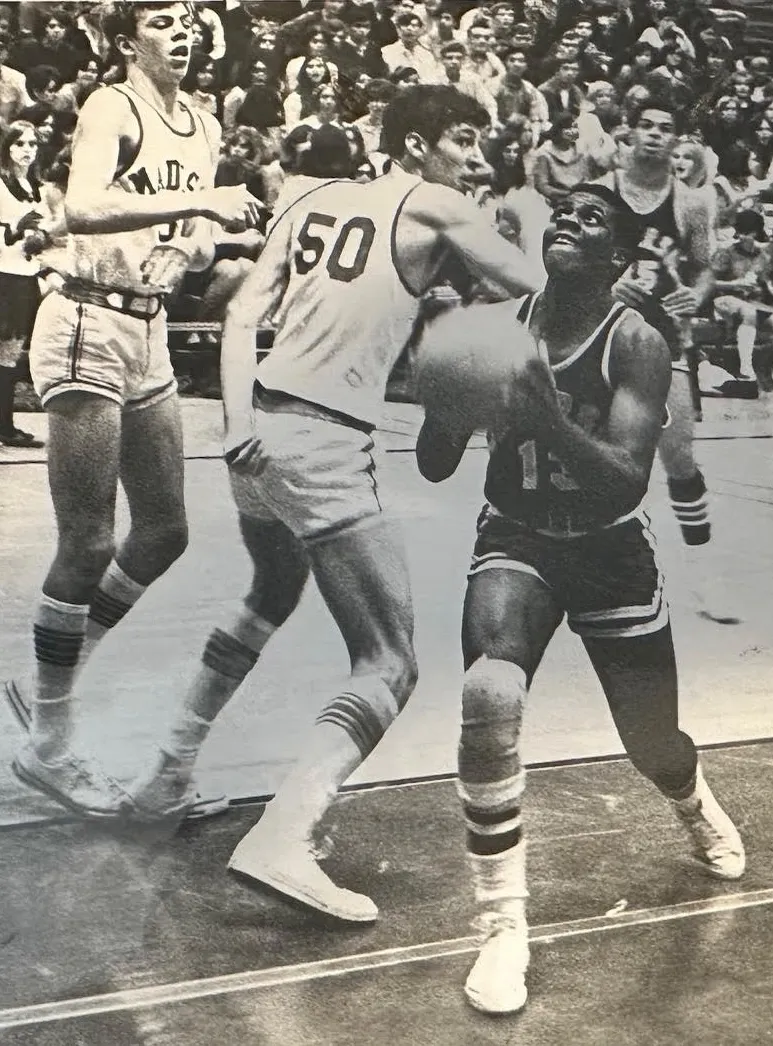
At Jefferson, Strong earned letters in football as an All-PIL quarterback; basketball, where he started at guard for the Democrats’ 1968 PIL championship team; and baseball, where earned All-PIL honors three straight years as a pitcher.
While his baseball skills had attracted the attention of several schools in the then-Pacific 8 Conference, Strong says he was worried that signing with a four-year college would decrease the chances he’d be chosen in the major league draft.
"Back then, if you signed with a four-year school you got excluded from the draft, and I thought I had a legitimate shot at getting drafted,” he says.
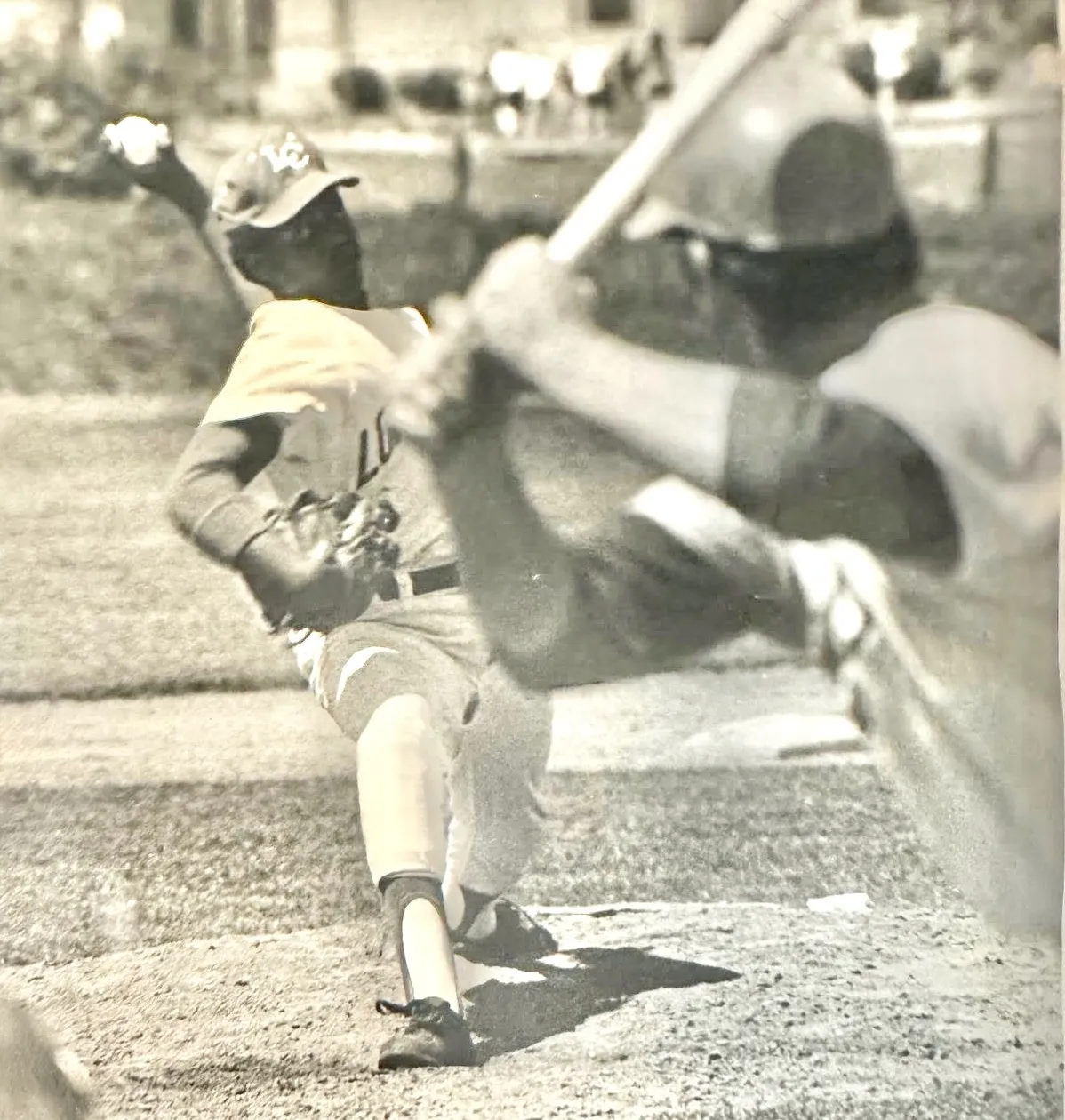
Junior college remained an option, however, so Strong accepted a scholarship offer from Lower Columbia College in Longview, where he played baseball for two years and basketball for one. After his hopes of being drafted didn’t materialize, Strong left school and moved back to Portland unsure what was next.
“I was depressed that I didn’t get drafted and kind of spiraled for a while; I didn’t know what I was going to do,” he says.
Dawgs Come Calling
While he was in Portland pondering his future, Strong’s brother Luther was in Seattle working as a recruiter for the University of Washington Medical School. One day, Luther ran into a friend named Bubba Morton, who happened to be the Huskies’ baseball coach.
“Bubba, who was the first black baseball coach in the Pac-8, told my brother he was looking for some players,” Strong says. “So Luther tells him he has a brother who was a pretty good ball player, and I’m sure Bubba’s thinking, Uh huh, sure he is. But I guess he liked my brother enough that he told him to have me send him some press clippings.”
Strong dug up a newspaper account of a league championship game he had pitched and won as a Lower Columbia freshman after not having thrown all year. He found a second article detailing the 18 batters he struck out to win MVP of a tournament the team played his sophomore year.
After reviewing the press Strong sent, Morton invited him up to Seattle for a workout -- like, immediately.
“I’d sat out the entire year, so I told him I couldn’t go up then, but I could in a month,” Strong recalls. “So, I started running like crazy and I went to the playground and drew this figure on a wall and started pitching at it, trying to hit different spots.”
Then, after a couple weeks throwing off a mound to his catching buddy from Babe Ruth baseball, Thomas Todd, Strong felt ready for his tryout.
“Morton’s assistant coach watched me throw, and I guess I was impressive enough that he offered me a full ride even before I got on the plane back home,” Strong says.
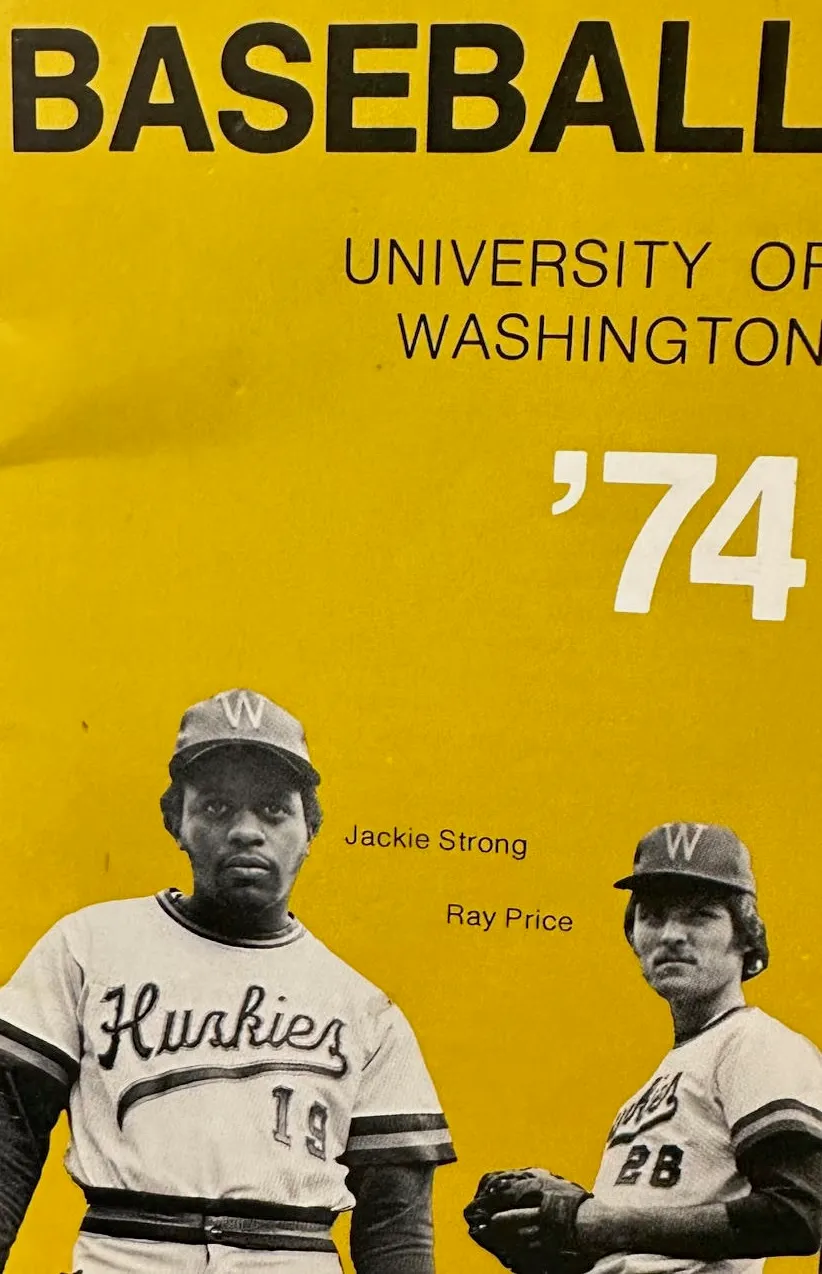
Despite an injury, Strong had a good enough junior year at UW to be featured on the cover of the team’s press guide the following year. Another injury, however, derailed his senior season.
After he earned his bachelor’s degree in 1976, Strong stayed in Seattle with plans to return to school to earn a master’s degree in counseling. “My mom’s activism is really what led me down the path into the caring professions,” he says, adding that Opal got see her son enter and succeed in those professions before dying at the age of 102.
From Player to Ref
To help pay for the schooling, he took a side hustle as a basketball official in a summer recreational league he had previously played in. That grew into an opportunity to ref NBA summer league games in Seattle and that grew into the chance to be trained on how to be an NBA official.
“I got contacted by an NBA official named Norm Drucker, who said they were looking for regional refs for a new league that was being started in the U.S. and Canada for players 6’-7” and under called the World Basketball League,” Strong says. “He asked if I was interested in trying out. I did and wound up being selected to work in the WBL.”
Strong performed well enough in the WBL to earn an invitation to try out to officiate Pac-10 games but turned down the offer.
“I was still working on my master’s and didn’t know how much money I’d be able to make if I wound up working Pac-10 games,” he says. “But I was getting evaluated and ranked pretty high among other refs who were on the doorstep of the NBA. I think I had the potential to get there.”
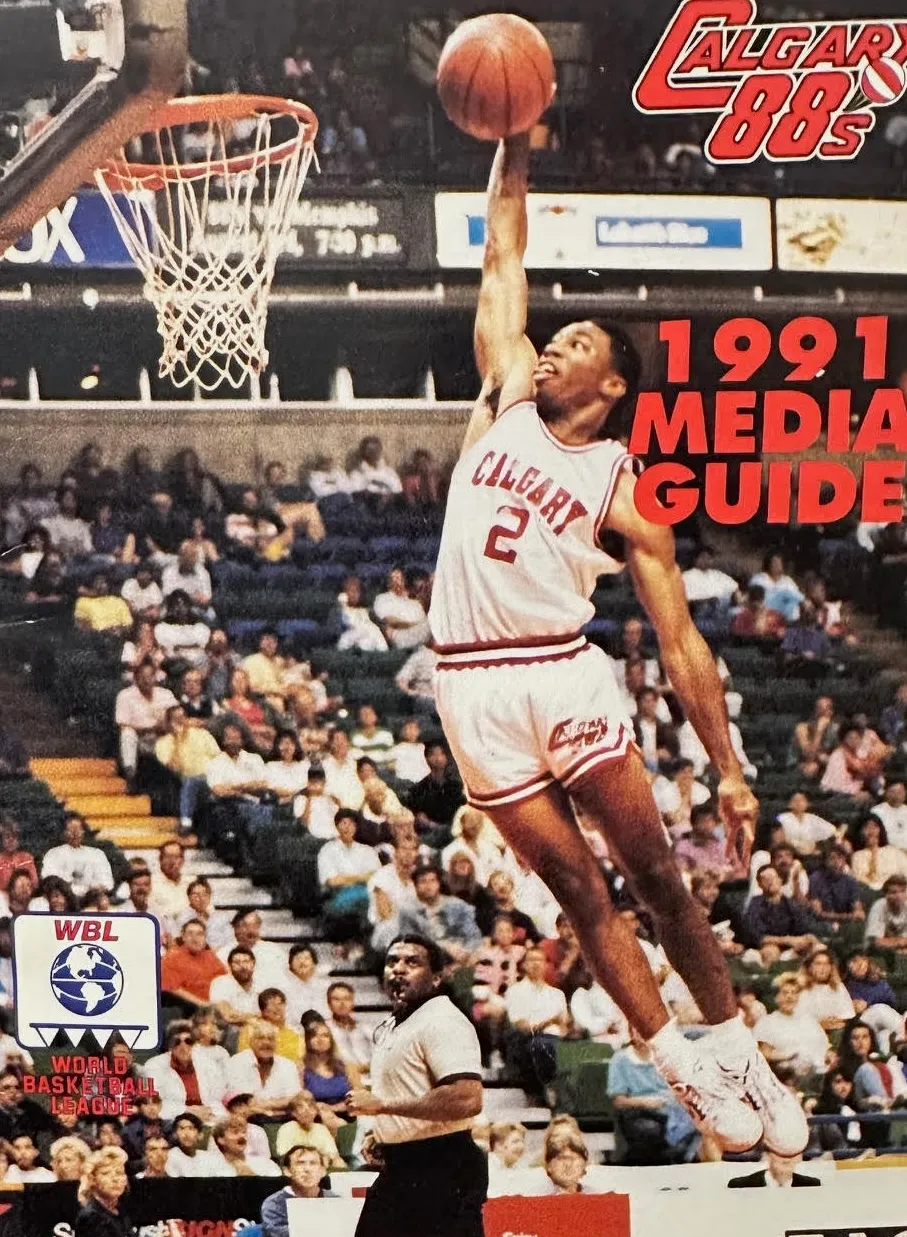
Strong worked summers as a WBL ref from 1988 to 1991 while establishing a private therapy practice, working as a probation officer and “becoming addicted to racquetball and squash.” He played racquetball at a high enough level to earn a tournament sponsorship from Ektelon before hip problems forced him to give up the sport.
In his private practice, Strong says he specialized in working with teens involved in Seattle gangs while continuing to expand his knowledge of mental health with training in suicide interventions and other specialties. After moving back to Portland, he oversaw programming for African Americans clients for Lifeworks NW and Cascadia Behavioral Health.
Though Strong claims he is now retired, he’s still involved in investment properties with his brother, Luther, while operating an adult care home.
About six years ago, Strong went back to school in part to answer a challenge from his daughter, Rekah.
“I had been encouraging her to get her doctorate degree early in her career to help her realize her full potential,” he says. “She finally told me she’d do it, if I did it. How could I refuse?”
Strong’s second wife, Eileen, passed while Strong was working on his advanced degree, but that only strengthened his resolve to finish. (Rekah and Strong’s son, Sean, are from his first marriage.)
“The majority of my work and research happened after Eileen died,” he says. “Her passing gave me the impetus to keep moving forward. It was both a distraction and a life purpose.”
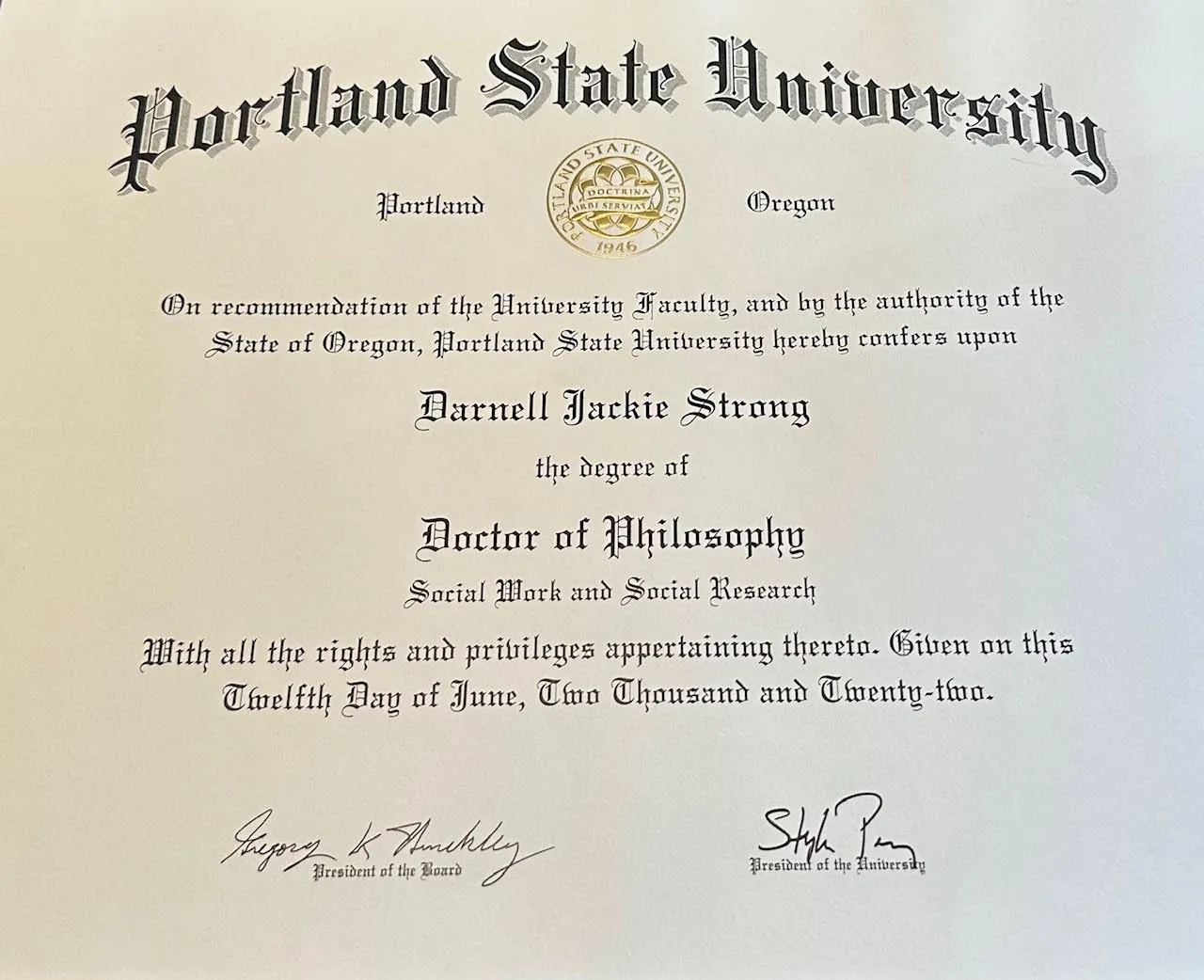
Strong earned his doctoral degree three years ago after earning the unique honor of being named runner up for dissertation of the year by the Portland State Department of Social Work. A runner-up award had never previously been given by the department.
“Getting my Ph.D. and that dissertation award was as rewarding as any line drive or nice basketball play I ever made,” Strong says.
Do you know Jackie Strong? If you’d like to reconnect, he can be reached at [email protected]
Member Spotlight
Jackie Strong’s early memories of sports go much deeper than when he would grab a stick, steal a head off his sister’s doll and use it to play backyard homerun derby with his pals. And they’re more meaningful than the punting contests he and buddies would have on the neighborhood streets or the high school games he’d watch his two older brothers play in.
His fond memories include all the above, to be sure. But beyond the warm nostalgia and sheer fun of sports, Strong’s best early recollections are attached to the positive impact athletics could have on African American kids like himself growing up in Northeast Portland in the 1950s and 60s.
“I could see early on how athletics were able to break down a lot of the barriers that were there when I was growing up,” says the 1969 Jefferson graduate and 2014 PIL Hall of Fame inductee.
If excelling in sports helped Strong overcome obstacles, growing up in a supportive and progressive household helped give him the confidence to think he could clear them in the first place. His father, Luther, was a steelworker, his mother, Opal, a community activist, and the Strong home was a place where everyone was welcome.
"Mom was probably ahead of her time,” Strong says. “She championed a lot of community projects that are still viable in Portland today. We had people from all cultures in the house. So I had a lot of white friends, which wasn’t all that common in the 50s and 60s. But that helped me be comfortable in my own skin and embrace other cultures and have the confidence to know my worth was equal to everyone else’s. And I that really helped me in both sports and life.”
All-Season Athlete
Strong says he was always playing one sport or another, and, luckily for his sister, Gail, only the one involved decapitating dolls.
“I just played sports according to the season,” he says. “I can remember having a hoop nailed up on a wall on a side street and being out there shooting baskets in the winter with gloves on or being in the park playing football in the mud and rain. Or you’d grab a friend and you’d each stand at one end of the block and see who could throw a baseball or punt a football the farthest. That all instilled in me a competitive mindset and helped me develop skills that allowed me to play all three sports at a pretty good level.”
While Strong’s two brothers, Luther and Julius, were successful athletes in their own right (Julius, a 1955 Roosevelt grad, is also in the PIL Hall of Famer), the significant age gap between him and them “made me feel like I was an only child,” he says. Without their influence, Jackie still benefited from the guidance of a series of outstanding youth coaches.
“By the time I got through grade school, I’d had coaches both black and white who showed an interest in my well-being and helped me understand that athletics might be a way to expand the number of people I could meet and expose me to people and opportunities that a young black kid might not traditionally be exposed to back then,” Strong says.
At Jefferson, Strong earned letters in football as an All-PIL quarterback; basketball, where he started at guard for the Democrats’ 1968 PIL championship team; and baseball, where earned All-PIL honors three straight years as a pitcher.
While his baseball skills had attracted the attention of several schools in the then-Pacific 8 Conference, Strong says he was worried that signing with a four-year college would decrease the chances he’d be chosen in the major league draft.
"Back then, if you signed with a four-year school you got excluded from the draft, and I thought I had a legitimate shot at getting drafted,” he says.
Junior college remained an option, however, so Strong accepted a scholarship offer from Lower Columbia College in Longview, where he played baseball for two years and basketball for one. After his hopes of being drafted didn’t materialize, Strong left school and moved back to Portland unsure what was next.
“I was depressed that I didn’t get drafted and kind of spiraled for a while; I didn’t know what I was going to do,” he says.
Dawgs Come Calling
While he was in Portland pondering his future, Strong’s brother Luther was in Seattle working as a recruiter for the University of Washington Medical School. One day, Luther ran into a friend named Bubba Morton, who happened to be the Huskies’ baseball coach.
“Bubba, who was the first black baseball coach in the Pac-8, told my brother he was looking for some players,” Strong says. “So Luther tells him he has a brother who was a pretty good ball player, and I’m sure Bubba’s thinking, Uh huh, sure he is. But I guess he liked my brother enough that he told him to have me send him some press clippings.”
Strong dug up a newspaper account of a league championship game he had pitched and won as a Lower Columbia freshman after not having thrown all year. He found a second article detailing the 18 batters he struck out to win MVP of a tournament the team played his sophomore year.
After reviewing the press Strong sent, Morton invited him up to Seattle for a workout -- like, immediately.
“I’d sat out the entire year, so I told him I couldn’t go up then, but I could in a month,” Strong recalls. “So, I started running like crazy and I went to the playground and drew this figure on a wall and started pitching at it, trying to hit different spots.”
Then, after a couple weeks throwing off a mound to his catching buddy from Babe Ruth baseball, Thomas Todd, Strong felt ready for his tryout.
“Morton’s assistant coach watched me throw, and I guess I was impressive enough that he offered me a full ride even before I got on the plane back home,” Strong says.
Despite an injury, Strong had a good enough junior year at UW to be featured on the cover of the team’s press guide the following year. Another injury, however, derailed his senior season.
After he earned his bachelor’s degree in 1976, Strong stayed in Seattle with plans to return to school to earn a master’s degree in counseling. “My mom’s activism is really what led me down the path into the caring professions,” he says, adding that Opal got see her son enter and succeed in those professions before dying at the age of 102.
From Player to Ref
To help pay for the schooling, he took a side hustle as a basketball official in a summer recreational league he had previously played in. That grew into an opportunity to ref NBA summer league games in Seattle and that grew into the chance to be trained on how to be an NBA official.
“I got contacted by an NBA official named Norm Drucker, who said they were looking for regional refs for a new league that was being started in the U.S. and Canada for players 6’-7” and under called the World Basketball League,” Strong says. “He asked if I was interested in trying out. I did and wound up being selected to work in the WBL.”
Strong performed well enough in the WBL to earn an invitation to try out to officiate Pac-10 games but turned down the offer.
“I was still working on my master’s and didn’t know how much money I’d be able to make if I wound up working Pac-10 games,” he says. “But I was getting evaluated and ranked pretty high among other refs who were on the doorstep of the NBA. I think I had the potential to get there.”
Strong worked summers as a WBL ref from 1988 to 1991 while establishing a private therapy practice, working as a probation officer and “becoming addicted to racquetball and squash.” He played racquetball at a high enough level to earn a tournament sponsorship from Ektelon before hip problems forced him to give up the sport.
In his private practice, Strong says he specialized in working with teens involved in Seattle gangs while continuing to expand his knowledge of mental health with training in suicide interventions and other specialties. After moving back to Portland, he oversaw programming for African Americans clients for Lifeworks NW and Cascadia Behavioral Health.
Though Strong claims he is now retired, he’s still involved in investment properties with his brother, Luther, while operating an adult care home.
About six years ago, Strong went back to school in part to answer a challenge from his daughter, Rekah.
“I had been encouraging her to get her doctorate degree early in her career to help her realize her full potential,” he says. “She finally told me she’d do it, if I did it. How could I refuse?”
Strong’s second wife, Eileen, passed while Strong was working on his advanced degree, but that only strengthened his resolve to finish. (Rekah and Strong’s son, Sean, are from his first marriage.)
“The majority of my work and research happened after Eileen died,” he says. “Her passing gave me the impetus to keep moving forward. It was both a distraction and a life purpose.”
Strong earned his doctoral degree three years ago after earning the unique honor of being named runner up for dissertation of the year by the Portland State Department of Social Work. A runner-up award had never previously been given by the department.
“Getting my Ph.D. and that dissertation award was as rewarding as any line drive or nice basketball play I ever made,” Strong says.
Do you know Jackie Strong? If you’d like to reconnect, he can be reached at [email protected]
More On This Hall of Famer
Read about their career and accomplishments on their HoF profile page.
Other Featured Members
We have a catalog of dozens of featured members of the month.