

Gail Meier
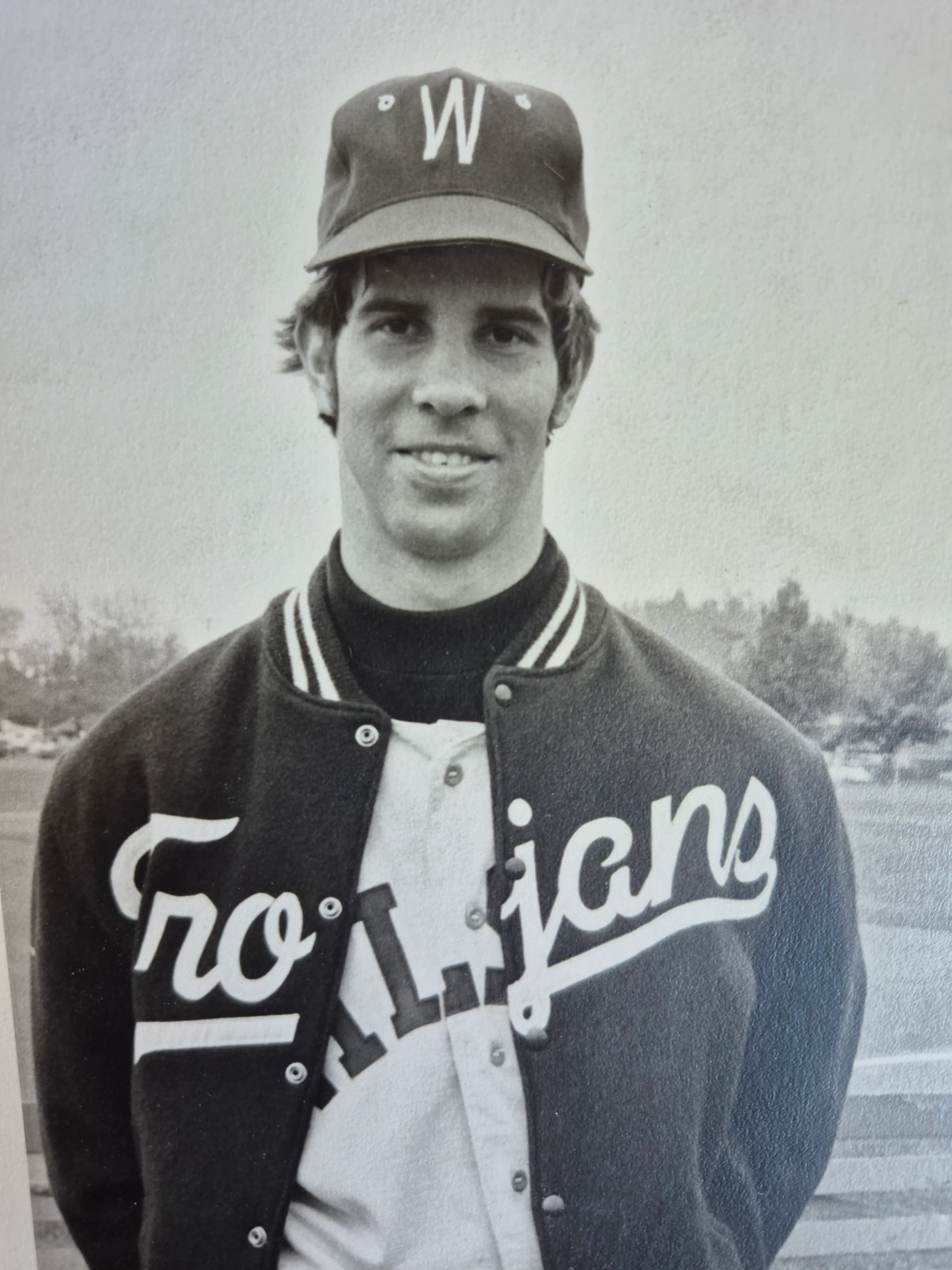
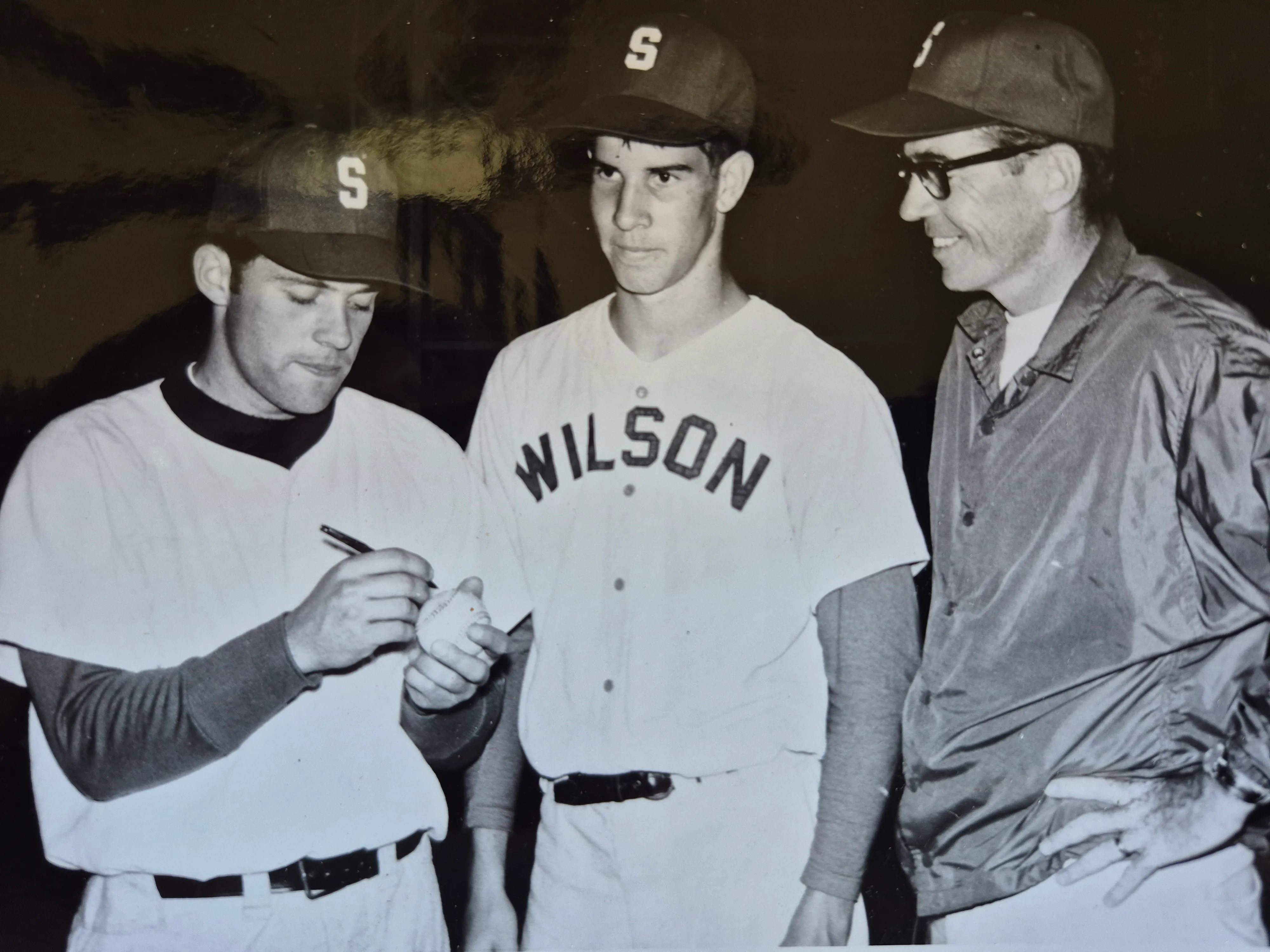
Though his future teammates knew little about Gail Meier (Wilson 1972) when he showed up for the first day of freshman football practice, that didn’t stop them from making a snap judgment about the Trojan newcomer.
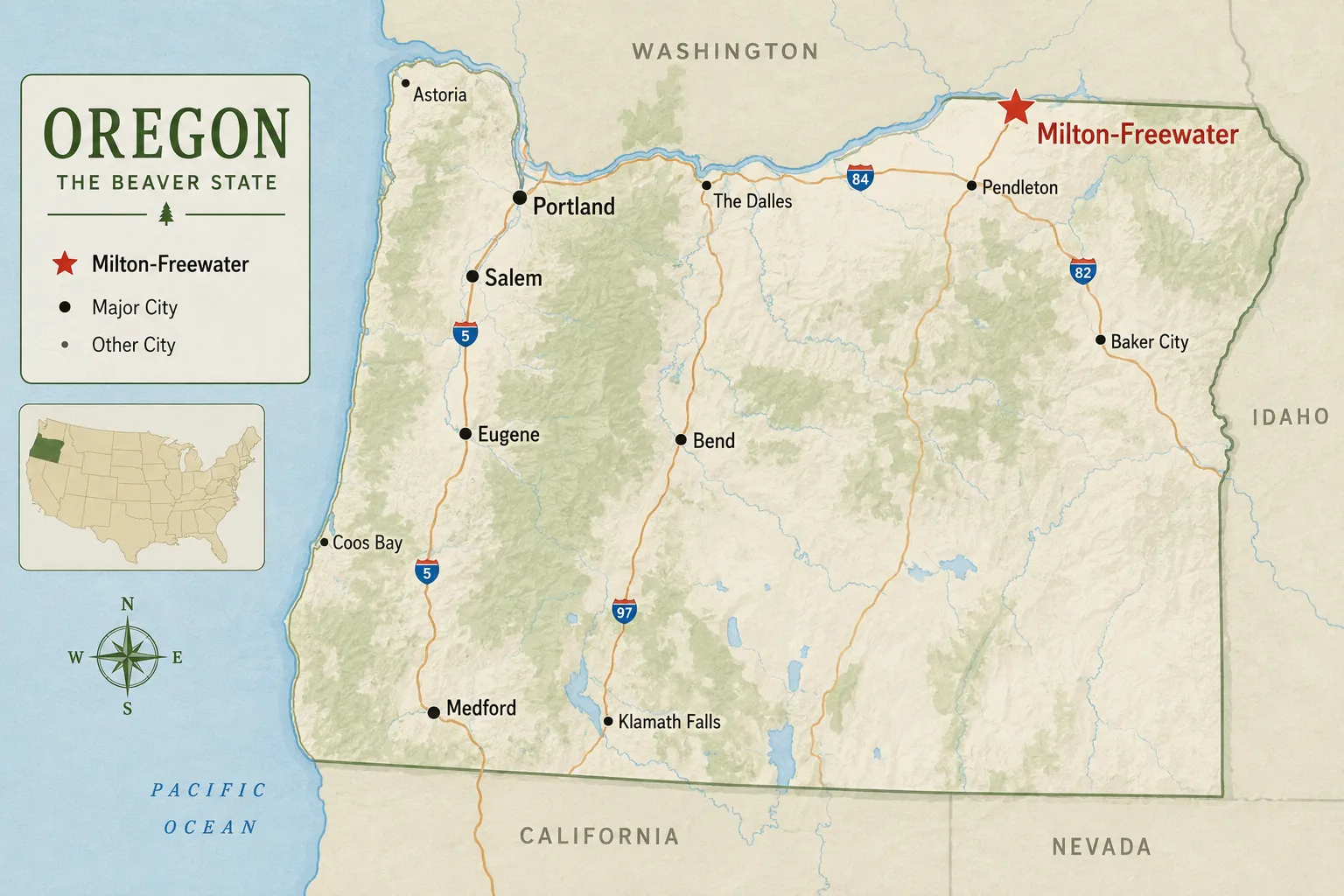
Boys will be boys after all, and Meier, tall, skinny and quiet, may as well have been wearing a freshly ironed T-shirt that read “Fresh Meat.” He was fresh off the bus (or out of his parents’ car as it were) from a small northeastern Oregon outpost called Milton-Freewater, best known in that era, at least to the few Portlanders who knew it at all, as the only town in America with a hyphenated name and/or for its annual Pea Festival, presided over by a Pea Queen and her royal court of Pea Princesses.
Meier’s father worked for a company that processed most of the region’s celebrated green orbs and enough other vegetables and fruits that its growth had necessitated a headquarters move, in 1964, to a shiny new retail/office complex in Portland called the Lloyd Center (a moment of silence, please).
Most of the company’s administrative employees had migrated west a few years earlier, but Meier’s parents held out until Gail and his older brother, Paul, could complete grade and high schools, respectively.
In the interim, Meier did what a lot of small-town kids did when there wasn’t much else to do. He played sports, specifically football, basketball and baseball, and was good at them all.
Also like a lot of small-town kids, Meier wasn't thrilled about having to move to the big city. But when the time came, “It proved to be a good opportunity,” he says. “Eastern Oregon didn’t get a lot of publicity, so you didn’t get much credit for being good at sports.”
In other words, in the fall of 1968, when Meier made his first appearance on the Wilson football field, no one had a clue that the out-of-town kid was a pretty darn good athlete.
“There was some culture shock for me,” he remembers. “There were lots of cliques, guys who knew each other from junior high, and some of them were interrogating and teasing me a little bit. They thought I was just a small-town hick, which was kind of true.”
Strong Armed and Dangerous
The ribbing picked up steam when Meier made it known he wanted to try out for quarterback. Then when the quarterback drills began and Meier started showing off an arm capable of throwing a farm-fresh egg throw a haystack, it quickly became obvious the hick could play – painfully obvious in one instance.
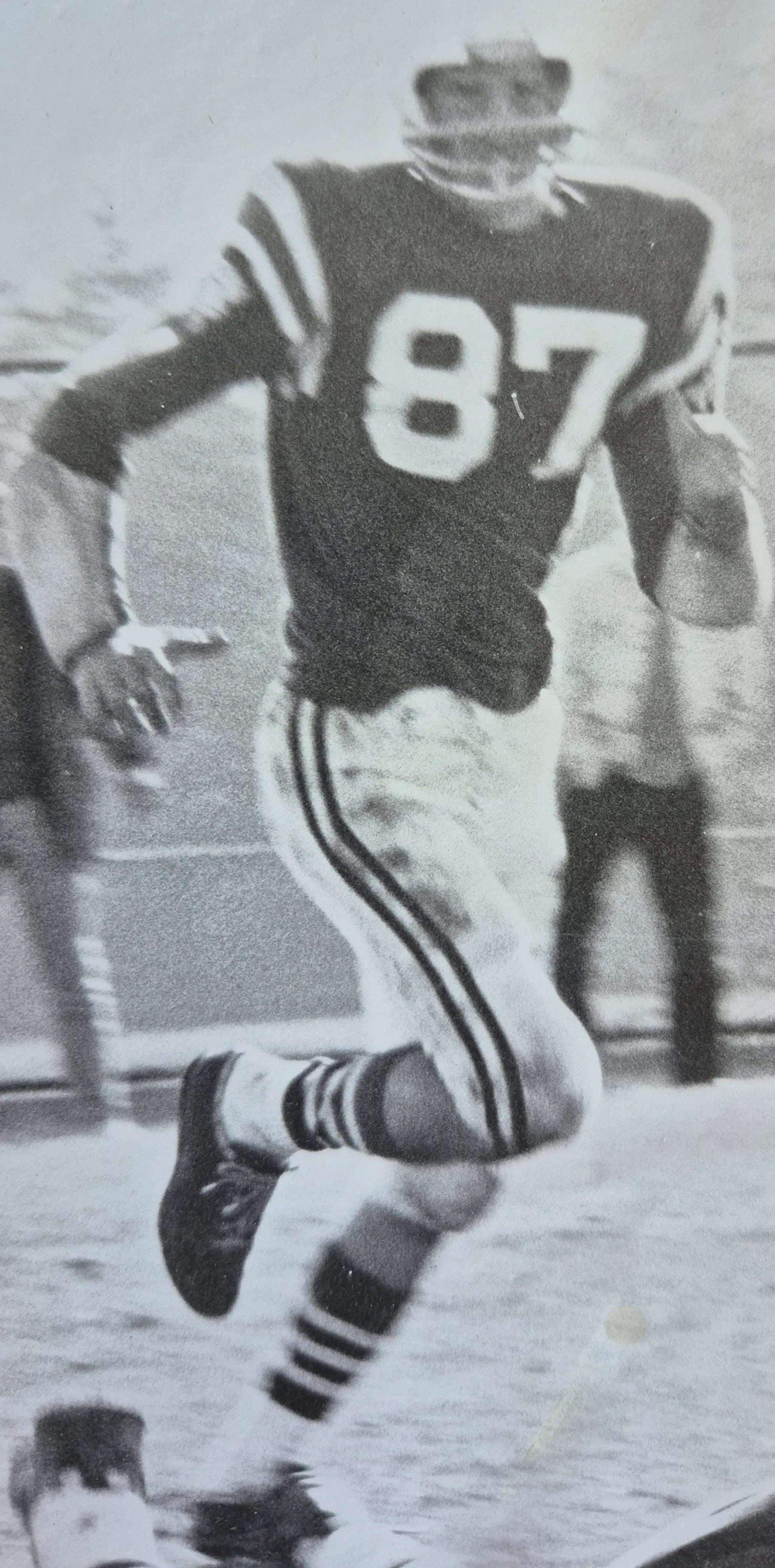
“This kid playing receiver ran a hook and I threw a fastball of a pass to him. It went through his hands and hit him right in the solar plexus, and he went down,” Meier recalls with a laugh. “The coach says to me, ‘So, you want to be a quarterback, huh?’”
Meier was the Trojan’s starting freshman QB, but the next year, playing for both the JV and varsity teams, he ran into some problems at the position. Or maybe they ran into him.
“I kept bumping into running backs as they were going by,” he says. “That’s when the coaches said I was too big to be a quarterback.”
Meier was just north of six feet tall at the time (he’d top out at around 6-2), a far cry from “too big” for the position now. But that was then and that was how he wound up becoming an All-PIL tight end and defensive back before moving to defensive end/linebacker his senior year and earning All-State honors.
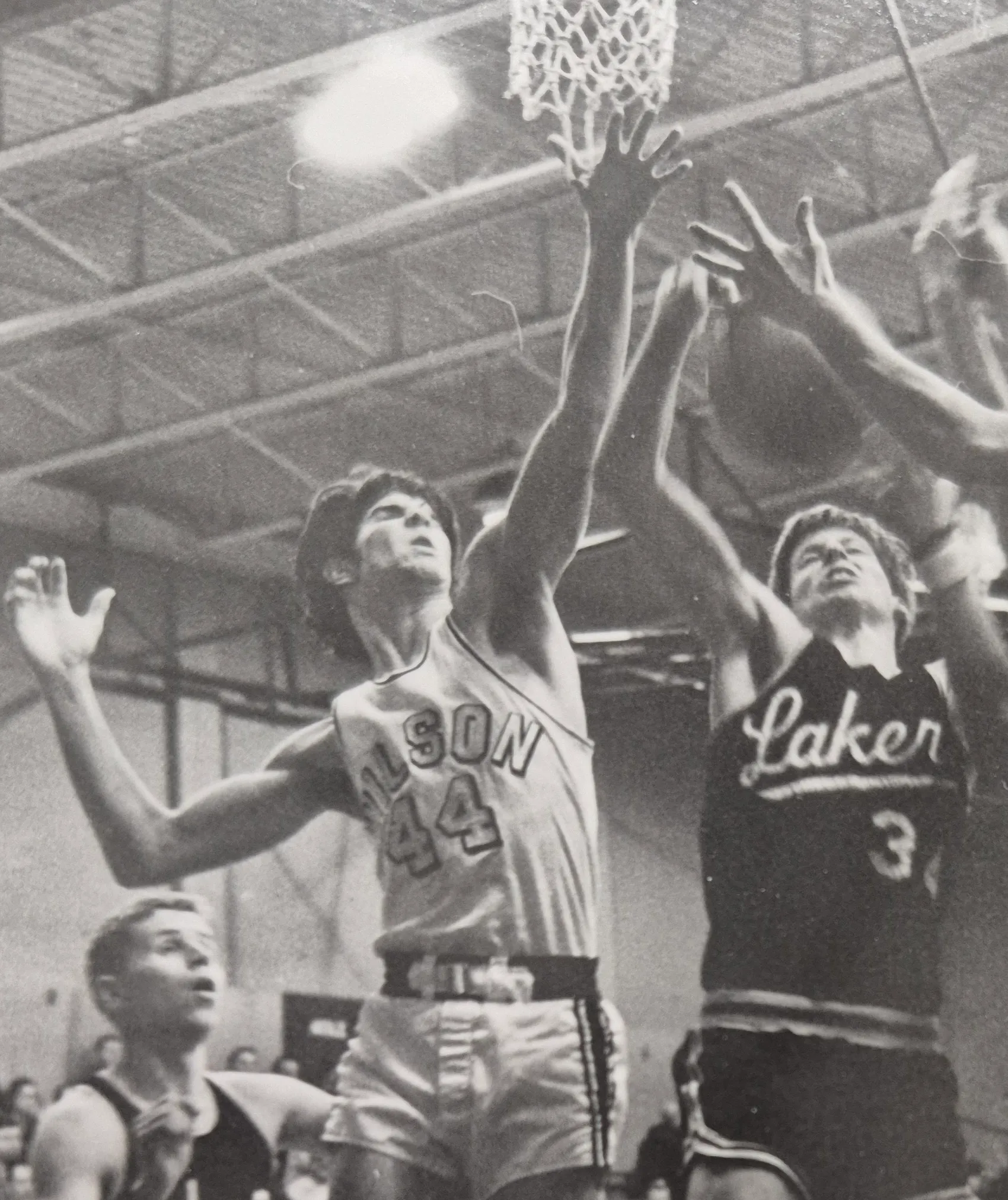
Playing for the Wilson basketball team was a good news/bad news proposition for the 2006 PIL Hall of Fame inductee. The good news: No one ever said he was too big to play a position. The bad news: The Trojans weren’t very good during his four years.
A Different Ballgame
It was a different story in baseball, where Meier felt he was more of a natural athlete than in his other sports. “I did well in football, especially on defense, but I don’t think it was because I hit that hard or was a great player,” he says. “I was just smarter than the guys on offense. Since I also played tight end, I could almost always read what the guy on the other side of the line was going to do. If he blocked down, I knew a fullback was coming straight at me. I was just able to anticipate and make plays.”
In baseball, Meier used the same heady approach on the mound.
“I focused on being able to throw a strike anywhere I wanted to,” he says. “I didn’t necessarily fool batters much, but I was always putting the ball low and outside or on the inside corner.”
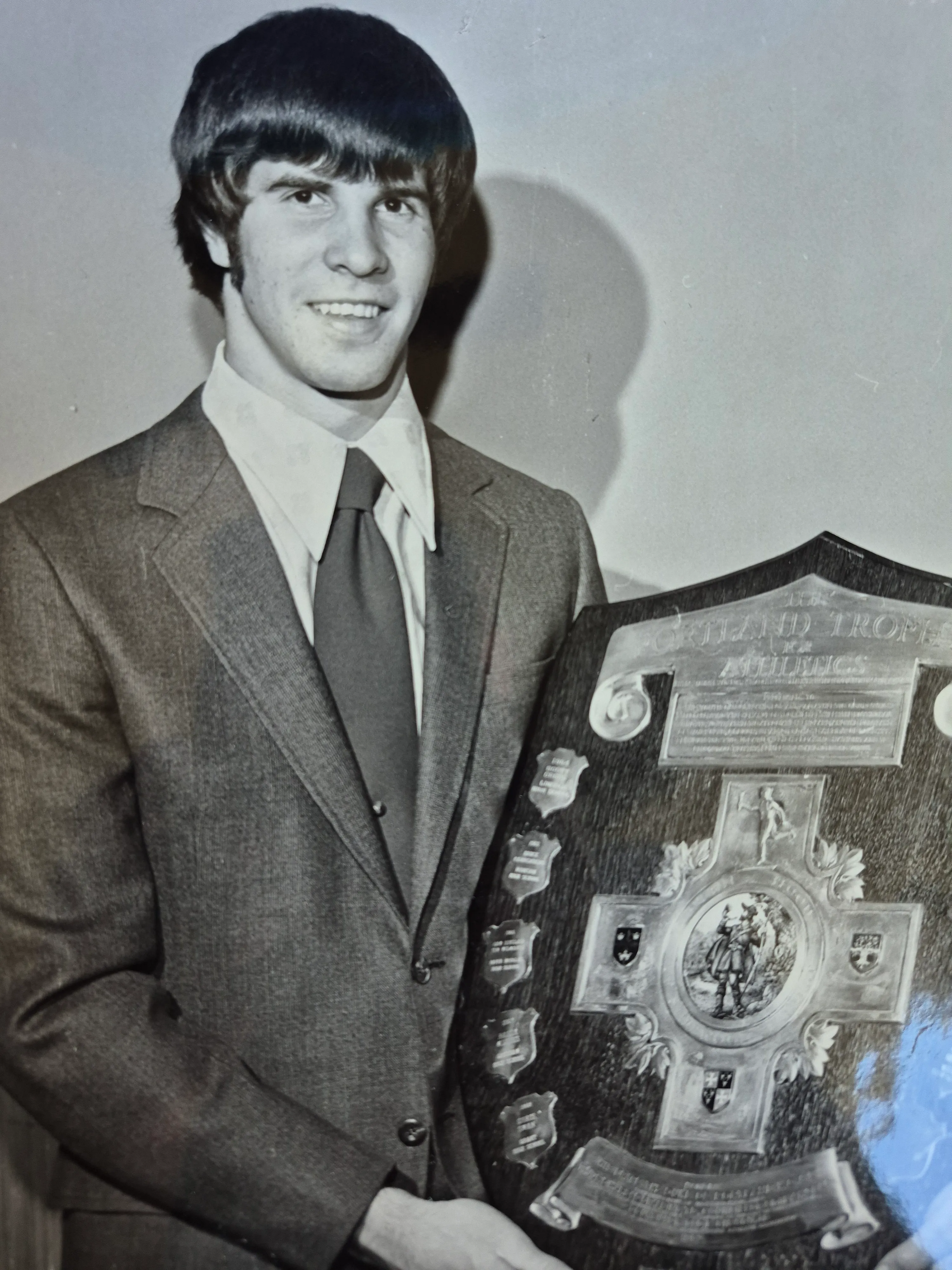
Meier’s skills, strategic approach and rubber arm were enough to earn him 1st Team All-PIL honors as a junior and senior and an All-State nod his senior year, when the Trojans won the PIL title.
“I just pitched and pitched and pitched,” he says. “I can’t believe I can still raise my arm high enough to play tennis.”
Meier says he has plenty of great high school memories, many of which feature Wilson’s Hall of Fame coach Jack Dunn in a starring role, either as a coach or a character. Here’s one of them:
“I’m in a jam with the bases loaded and one out," he recalls. "Jack calls time, walks out to the mound and tells me, ‘I don’t think this is a problem. Here’s what’s going to happen. You’re going to throw your next pitch and the batter’s going to hit the ball back to you. You’ll throw it home for one out, then Dale (Murphy, the Trojans’ catcher, future major leaguer and PIL Hall of Famer) will throw the guy out at first and we’ll walk off the field.’ And that’s exactly what happened. I never learned more in baseball than I learned from Jack, and later when I coached high school, I passed to my players what I learned from him.”
Enter the Recruiters
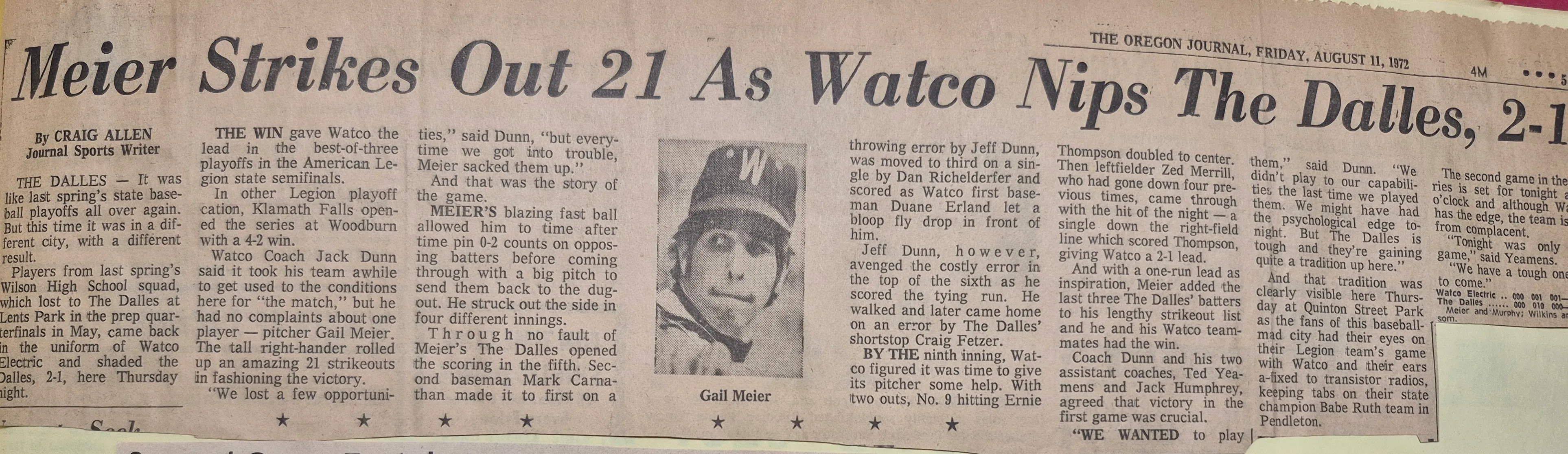
Other high school highlights include the series MVP award he earned senior year after pitching a gem in the State-Metro All-Star game; the 21 batters he struck out in an American Legion game against a tough The Dalles team; and the almost weekly visits from college recruiters.
Meier says he could have played college football just about anywhere, “But I told all the recruiters, ‘I don’t want to get hurt; I want to play baseball,” he says, laughing.
He also had multiple offers to play college baseball, but there was one academic non-negotiable that many of Meier's suitors couldn’t overcome. “I wanted to study electrical engineering,” he says. “If a school didn’t offer a program, they were out.”
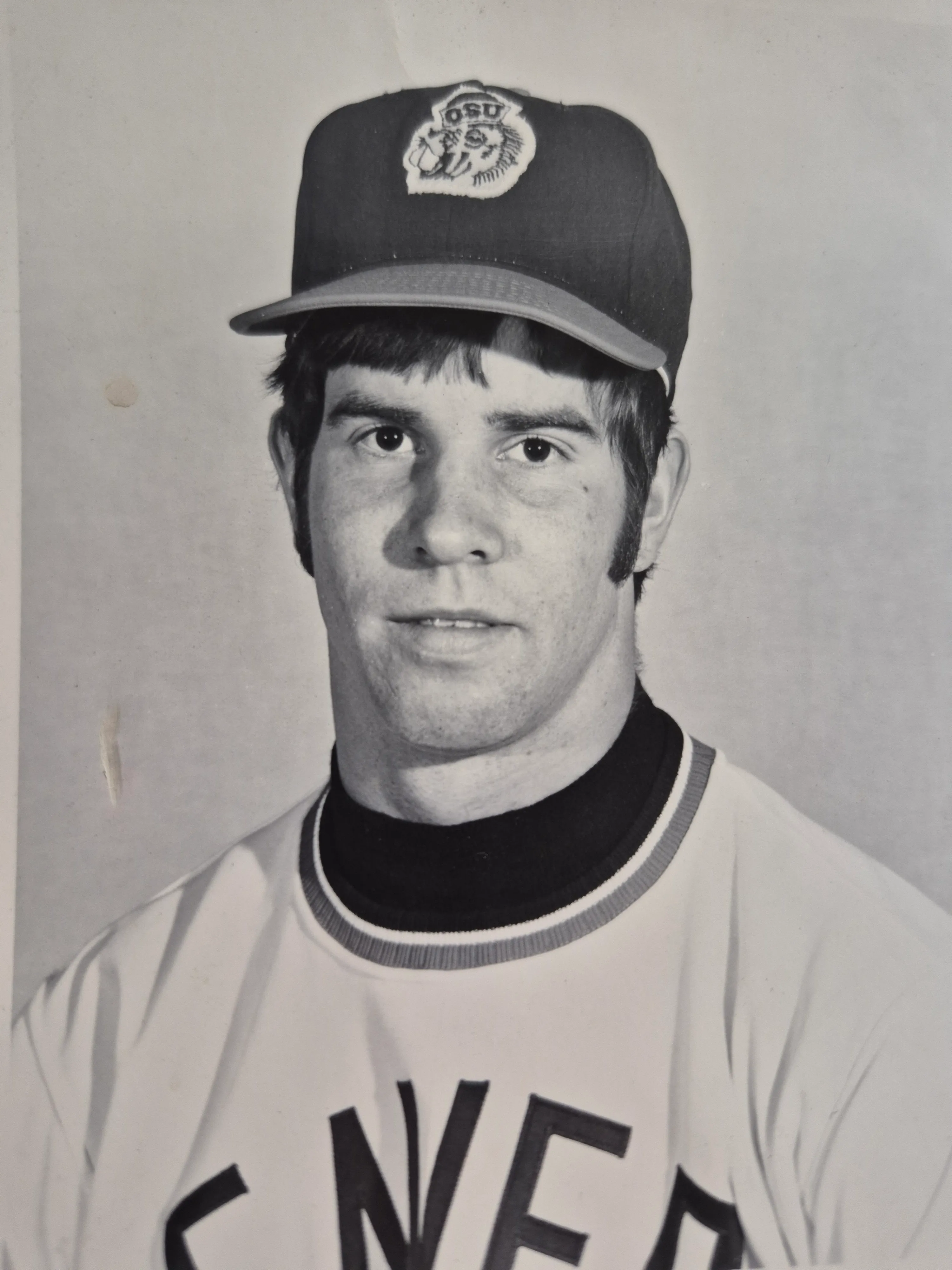
That’s how he wound up at Oregon State, whose head baseball coach had accidentally discovered Meier while he was pitching in a Babe Ruth all-star game.
“He was there to watch a Watco (Wilson’s American Legion team) game after ours,” Meier remembers. “But rain delayed our start, so when he got there, we were still playing and he saw me pitch a perfect game. Afterwards he told me, ‘I can’t legally offer you a scholarship yet, but you just earned yourself one.”
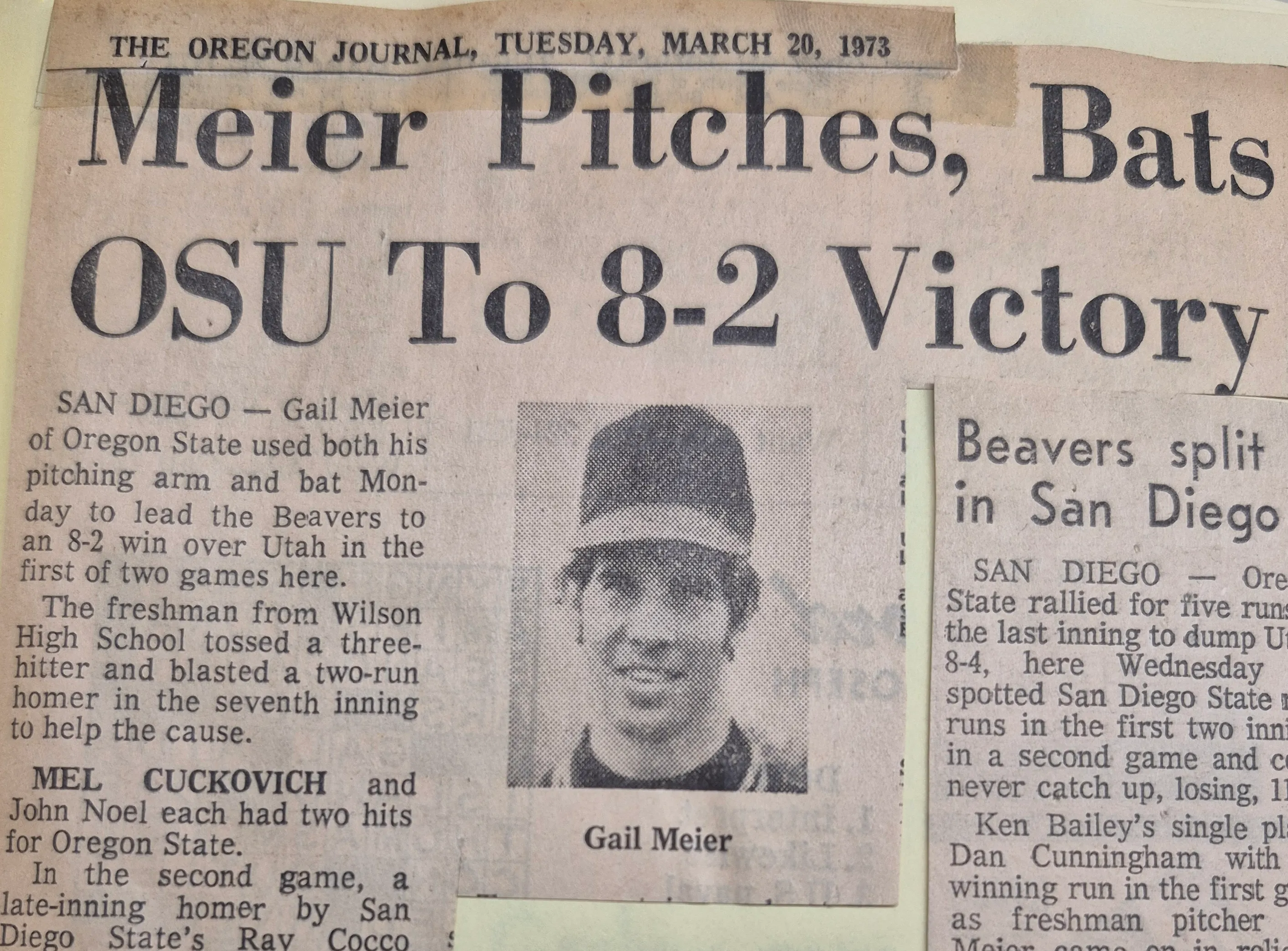
That coach was gone by the time Meier was finished at Wilson, but his scholarship offer was still there. In his first game as a Beaver freshman, Meier pitched and helped himself earn a win by hitting a home run.
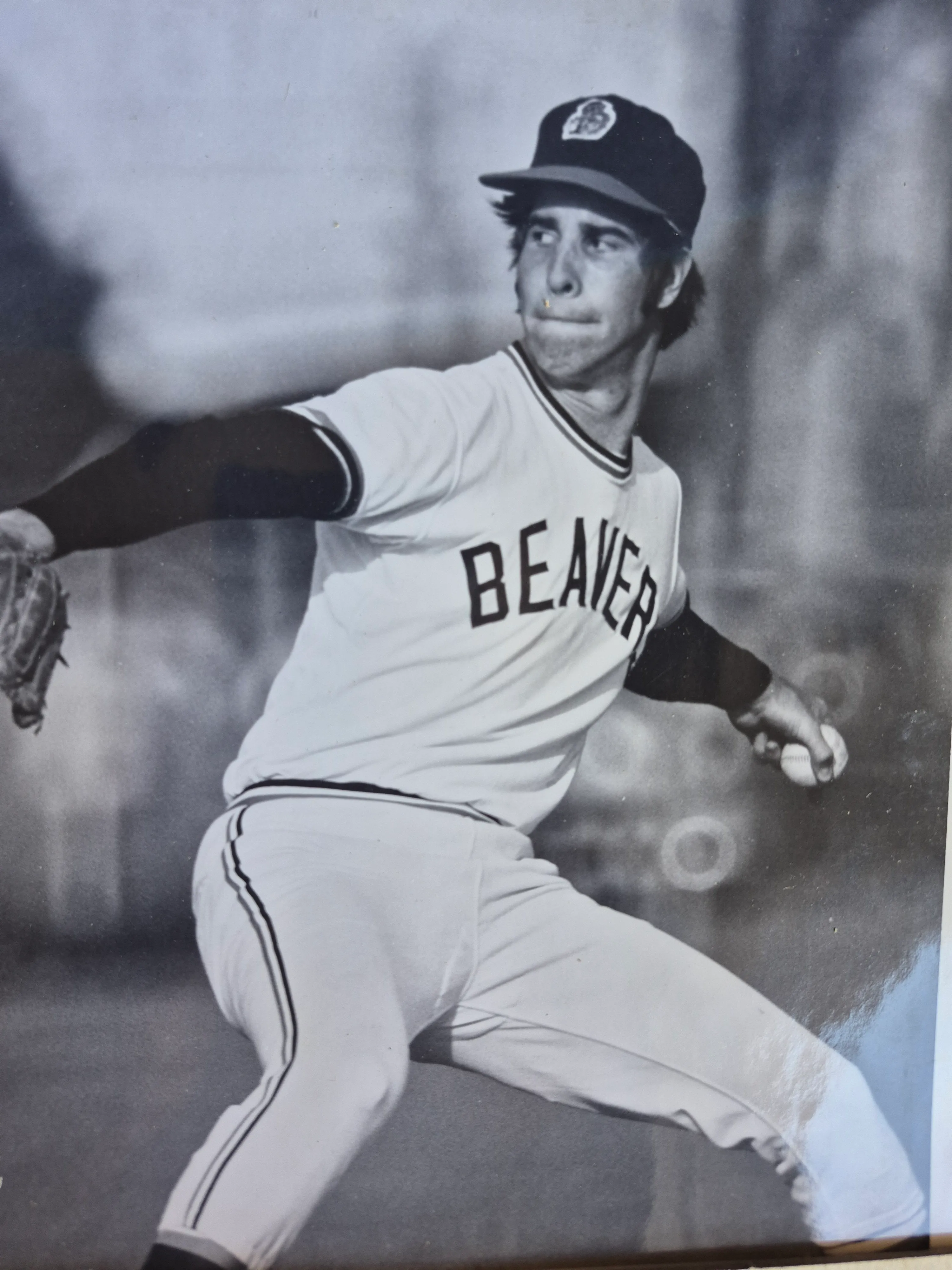
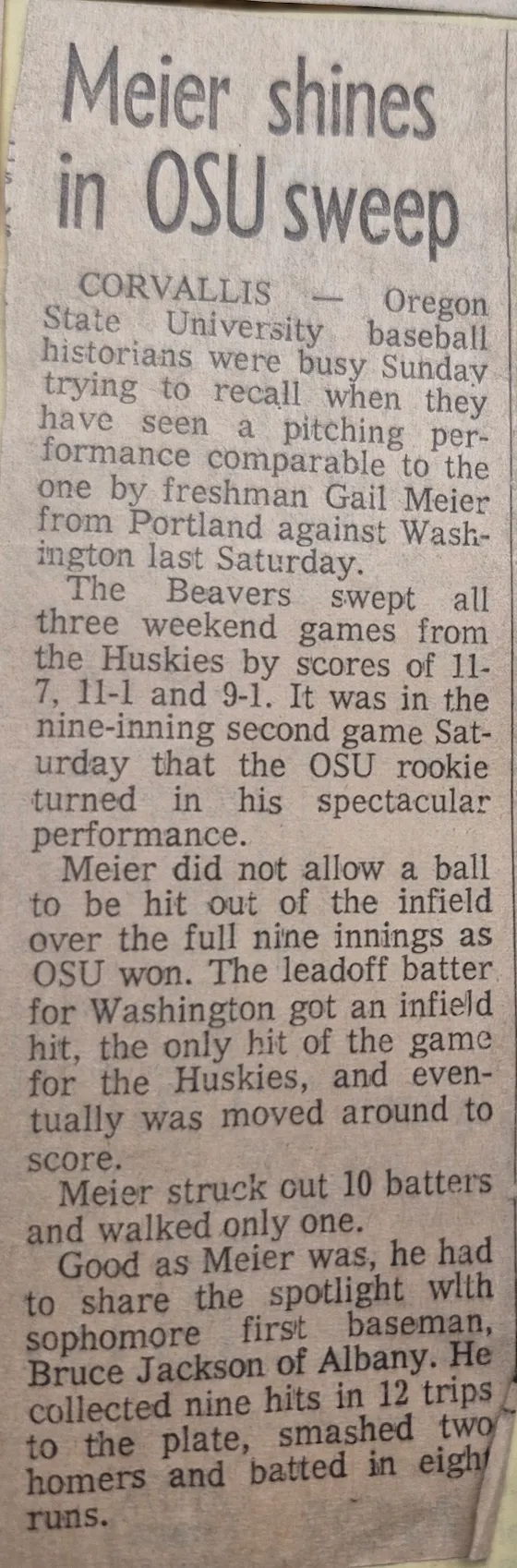
Then in his first appearance in a Pac-8 league game, Meier gave up an infield single to Washington’s leadoff batter then didn’t surrender another hit, or even allow a ball to reach the outfield, the rest of the game.
A pretty good start to a college career in which he would earn team MVP honors twice and be named to the All-Pac 8, Northern Division team.
Meier’s most impressive college achievement, however, came sophomore year when he met a young OSU coed from Aloha High named Louise. They’ll celebrate their 49th year of marriage this fall (2026).
He Could Tell You About His Job, But...
After graduating, Meier went to work for Boeing, where he put his electronics engineering training and skills to use in a variety of roles, including working on AWACS surveillance planes and in a classified program that he couldn’t talk about then and can’t talk about now.
He and Louise raised a son, Danny, and daughter, Ande, both of whom graduated from the University of Portland. Danny starred in baseball for the Pilots and was drafted into the Houston Astros system. The father of 7- and 9-year-old boys now runs the mortgage brokerage company his mother retired from. Ande worked in OHSU’s Finance Department before retiring to raise her son, now 7.
Meier spent 23 years as a volunteer pitching coach for a Seattle-area high school and continued to play baseball until he was 60, first in Boeing’s own league, then on various adult baseball teams. While still in college, he helped the Portland Lobos win two 18-and-over national championships. Later, he pitched for the Oregon Twins for some 16 years, including two when they placed second in 45-and-older national championships.
.webp)
He and Louise now split their time between homes near Henderson, Nev., where he stays in shape playing tennis four days a week, and a cabin on Hood Canal near Hansville, where he can fish for crab a few hundred yards from home, pursue his electronics hobbies, entertain his grandsons or just relax and enjoy the scenery.
“Louise and I can sit on the deck and watch the boys dig clams or hunt for shells or build sand castles,” he says. “Or we just sit on the deck, stare at the water and watch the tide go in and out. It’s hard work.”
No snap judgments here.
Do you know Gail Meier? If you’d like to reconnect, hecan be reached at [email protected]
%20copy.webp)
Member Spotlight
Though his future teammates knew little about Gail Meier (Wilson 1972) when he showed up for the first day of freshman football practice, that didn’t stop them from making a snap judgment about the Trojan newcomer.
Boys will be boys after all, and Meier, tall, skinny and quiet, may as well have been wearing a freshly ironed T-shirt that read “Fresh Meat.” He was fresh off the bus (or out of his parents’ car as it were) from a small northeastern Oregon outpost called Milton-Freewater, best known in that era, at least to the few Portlanders who knew it at all, as the only town in America with a hyphenated name and/or for its annual Pea Festival, presided over by a Pea Queen and her royal court of Pea Princesses.
Meier’s father worked for a company that processed most of the region’s celebrated green orbs and enough other vegetables and fruits that its growth had necessitated a headquarters move, in 1964, to a shiny new retail/office complex in Portland called the Lloyd Center (a moment of silence, please).
Most of the company’s administrative employees had migrated west a few years earlier, but Meier’s parents held out until Gail and his older brother, Paul, could complete grade and high schools, respectively.
In the interim, Meier did what a lot of small-town kids did when there wasn’t much else to do. He played sports, specifically football, basketball and baseball, and was good at them all.
Also like a lot of small-town kids, Meier wasn't thrilled about having to move to the big city. But when the time came, “It proved to be a good opportunity,” he says. “Eastern Oregon didn’t get a lot of publicity, so you didn’t get much credit for being good at sports.”
In other words, in the fall of 1968, when Meier made his first appearance on the Wilson football field, no one had a clue that the out-of-town kid was a pretty darn good athlete.
“There was some culture shock for me,” he remembers. “There were lots of cliques, guys who knew each other from junior high, and some of them were interrogating and teasing me a little bit. They thought I was just a small-town hick, which was kind of true.”
Strong Armed and Dangerous
The ribbing picked up steam when Meier made it known he wanted to try out for quarterback. Then when the quarterback drills began and Meier started showing off an arm capable of throwing a farm-fresh egg throw a haystack, it quickly became obvious the hick could play – painfully obvious in one instance.
“This kid playing receiver ran a hook and I threw a fastball of a pass to him. It went through his hands and hit him right in the solar plexus, and he went down,” Meier recalls with a laugh. “The coach says to me, ‘So, you want to be a quarterback, huh?’”
Meier was the Trojan’s starting freshman QB, but the next year, playing for both the JV and varsity teams, he ran into some problems at the position. Or maybe they ran into him.
“I kept bumping into running backs as they were going by,” he says. “That’s when the coaches said I was too big to be a quarterback.”
Meier was just north of six feet tall at the time (he’d top out at around 6-2), a far cry from “too big” for the position now. But that was then and that was how he wound up becoming an All-PIL tight end and defensive back before moving to defensive end/linebacker his senior year and earning All-State honors.
Playing for the Wilson basketball team was a good news/bad news proposition for the 2006 PIL Hall of Fame inductee. The good news: No one ever said he was too big to play a position. The bad news: The Trojans weren’t very good during his four years.
A Different Ballgame
It was a different story in baseball, where Meier felt he was more of a natural athlete than in his other sports. “I did well in football, especially on defense, but I don’t think it was because I hit that hard or was a great player,” he says. “I was just smarter than the guys on offense. Since I also played tight end, I could almost always read what the guy on the other side of the line was going to do. If he blocked down, I knew a fullback was coming straight at me. I was just able to anticipate and make plays.”
In baseball, Meier used the same heady approach on the mound.
“I focused on being able to throw a strike anywhere I wanted to,” he says. “I didn’t necessarily fool batters much, but I was always putting the ball low and outside or on the inside corner.”
Meier’s skills, strategic approach and rubber arm were enough to earn him 1st Team All-PIL honors as a junior and senior and an All-State nod his senior year, when the Trojans won the PIL title.
“I just pitched and pitched and pitched,” he says. “I can’t believe I can still raise my arm high enough to play tennis.”
Meier says he has plenty of great high school memories, many of which feature Wilson’s Hall of Fame coach Jack Dunn in a starring role, either as a coach or a character. Here’s one of them:
“I’m in a jam with the bases loaded and one out," he recalls. "Jack calls time, walks out to the mound and tells me, ‘I don’t think this is a problem. Here’s what’s going to happen. You’re going to throw your next pitch and the batter’s going to hit the ball back to you. You’ll throw it home for one out, then Dale (Murphy, the Trojans’ catcher, future major leaguer and PIL Hall of Famer) will throw the guy out at first and we’ll walk off the field.’ And that’s exactly what happened. I never learned more in baseball than I learned from Jack, and later when I coached high school, I passed to my players what I learned from him.”
Enter the Recruiters
Other high school highlights include the series MVP award he earned senior year after pitching a gem in the State-Metro All-Star game; the 21 batters he struck out in an American Legion game against a tough The Dalles team; and the almost weekly visits from college recruiters.
Meier says he could have played college football just about anywhere, “But I told all the recruiters, ‘I don’t want to get hurt; I want to play baseball,” he says, laughing.
He also had multiple offers to play college baseball, but there was one academic non-negotiable that many of Meier's suitors couldn’t overcome. “I wanted to study electrical engineering,” he says. “If a school didn’t offer a program, they were out.”
That’s how he wound up at Oregon State, whose head baseball coach had accidentally discovered Meier while he was pitching in a Babe Ruth all-star game.
“He was there to watch a Watco (Wilson’s American Legion team) game after ours,” Meier remembers. “But rain delayed our start, so when he got there, we were still playing and he saw me pitch a perfect game. Afterwards he told me, ‘I can’t legally offer you a scholarship yet, but you just earned yourself one.”
That coach was gone by the time Meier was finished at Wilson, but his scholarship offer was still there. In his first game as a Beaver freshman, Meier pitched and helped himself earn a win by hitting a home run.
Then in his first appearance in a Pac-8 league game, Meier gave up an infield single to Washington’s leadoff batter then didn’t surrender another hit, or even allow a ball to reach the outfield, the rest of the game.
A pretty good start to a college career in which he would earn team MVP honors twice and be named to the All-Pac 8, Northern Division team.
Meier’s most impressive college achievement, however, came sophomore year when he met a young OSU coed from Aloha High named Louise. They’ll celebrate their 49th year of marriage this fall (2026).
He Could Tell You About His Job, But...
After graduating, Meier went to work for Boeing, where he put his electronics engineering training and skills to use in a variety of roles, including working on AWACS surveillance planes and in a classified program that he couldn’t talk about then and can’t talk about now.
He and Louise raised a son, Danny, and daughter, Ande, both of whom graduated from the University of Portland. Danny starred in baseball for the Pilots and was drafted into the Houston Astros system. The father of 7- and 9-year-old boys now runs the mortgage brokerage company his mother retired from. Ande worked in OHSU’s Finance Department before retiring to raise her son, now 7.
Meier spent 23 years as a volunteer pitching coach for a Seattle-area high school and continued to play baseball until he was 60, first in Boeing’s own league, then on various adult baseball teams. While still in college, he helped the Portland Lobos win two 18-and-over national championships. Later, he pitched for the Oregon Twins for some 16 years, including two when they placed second in 45-and-older national championships.
He and Louise now split their time between homes near Henderson, Nev., where he stays in shape playing tennis four days a week, and a cabin on Hood Canal near Hansville, where he can fish for crab a few hundred yards from home, pursue his electronics hobbies, entertain his grandsons or just relax and enjoy the scenery.
“Louise and I can sit on the deck and watch the boys dig clams or hunt for shells or build sand castles,” he says. “Or we just sit on the deck, stare at the water and watch the tide go in and out. It’s hard work.”
No snap judgments here.
Do you know Gail Meier? If you’d like to reconnect, hecan be reached at [email protected]
More On This Hall of Famer
Read about their career and accomplishments on their HoF profile page.
Other Featured Members
We have a catalog of dozens of featured members of the month.